Moving to Burlington, Vermont: Here's What to Expect

Burlington sits on the shore of Lake Champlain with the Adirondacks across the water and the Green Mountains at its back, and it has built a reputation as one of the most livable small cities in the country. It draws a specific kind of person: someone who wants a walkable downtown, a college town's energy, and easy access to skiing, sailing, and hiking without giving up things like a real food scene or a functioning job market. That combination is rare, and it's why Burlington keeps showing up on "best places to live" lists even as its housing costs climb into territory more common in cities five times its size.
If you're weighing a move here, the honest starting point is the numbers, not the postcard version. Burlington is a small city of roughly 44,000 people wrapped around a university, a handful of tech and manufacturing employers, and a tourism economy that swells every ski season and every summer weekend. It rewards people who plan ahead on housing and who don't mind long winters, and it can be a rough landing for anyone expecting Sun Belt-style affordability or a car-dependent suburban layout.
This guide covers what actually shapes day-to-day life here: what things cost, where people live, how winter changes your routine, and what the move itself typically runs. Storage comes up more than once, because it turns out to be a real practical issue in a city built on old, smaller housing stock and a four-season outdoor lifestyle that fills garages fast.
The lake town everyone thinks they know
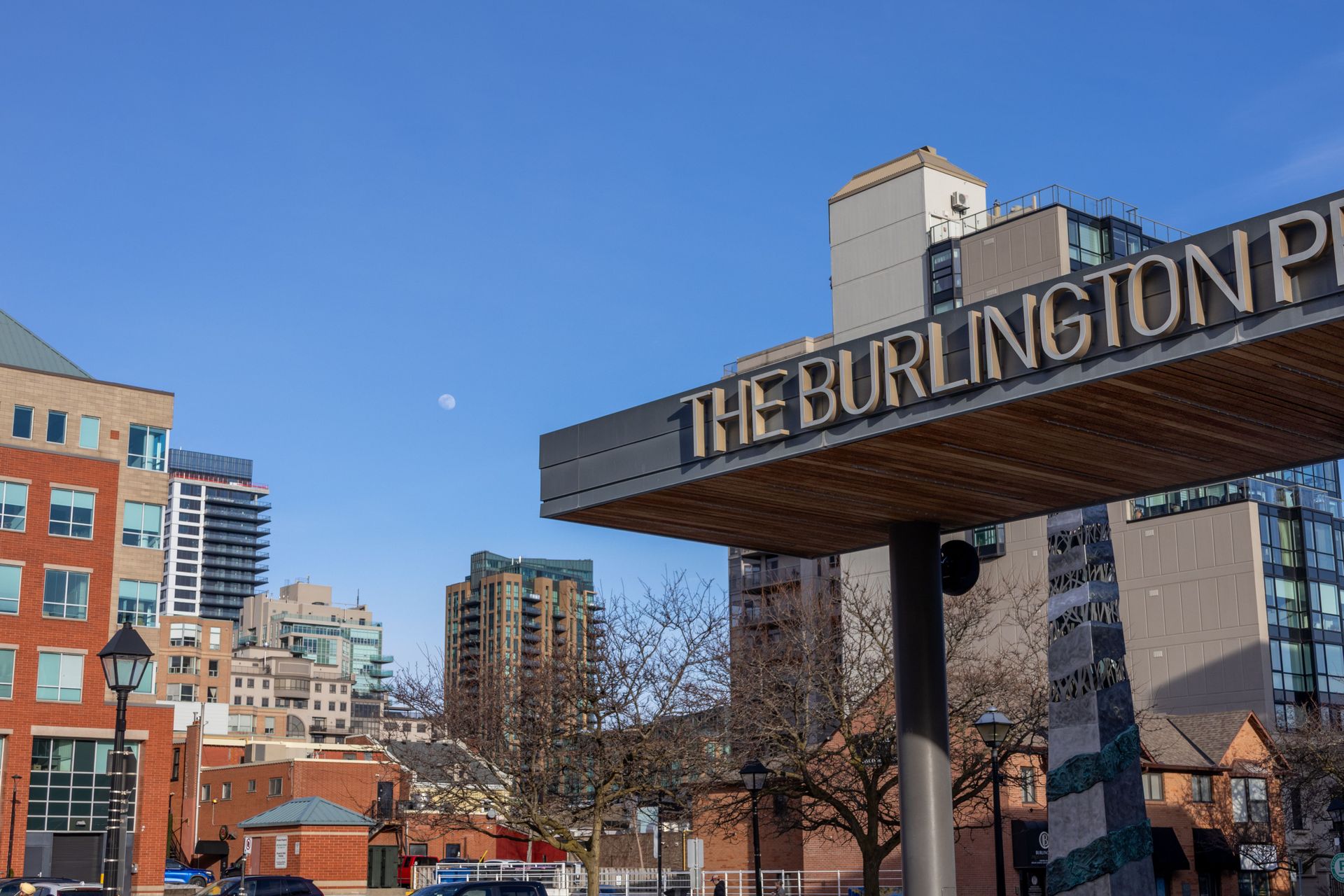
Burlington's identity starts with the waterfront. Waterfront Park anchors the west edge of downtown, and on a clear evening it's full of people watching the sun drop behind the Adirondacks over Lake Champlain, which remains one of the city's defining features. The Burlington Bike Path runs along the shoreline and connects to the Colchester Causeway, so biking, paddleboarding, and sailing out of the Lake Champlain Sailing Center are normal weekday activities, not just weekend plans.
Church Street Marketplace, the pedestrian strip a few blocks up from the water, is where the restaurant and retail scene concentrates, and it's part of why Burlington's food and brewery culture punches well above its population size. That lifestyle is genuinely appealing, but it's also expensive to access, since most of it clusters in a small downtown core where housing supply hasn't kept pace with demand.
What Burlington actually costs
Burlington's overall cost of living index sits around 117, meaning day-to-day expenses run about 17% above the national average, and housing is the biggest reason why. A single person's monthly budget for essentials runs close to $3,300, while a family of four is closer to $7,264 a month once housing, transportation, and food are added up. Housing specifically runs about 12.6% above the national average, at roughly $1,351 a month for a single renter and $2,476 for a family of four.
On top of that, Burlington charges a combined sales tax of 7%, which is the state's 6% rate plus a 1% local option tax that most of Vermont's smaller towns don't add. Property taxes are steeper too. Burlington's median effective property tax rate runs around 2.11%, noticeably higher than both the Vermont state median of 1.92% and the national median of roughly 1.02%. None of this is a dealbreaker on its own, but it adds up fast for anyone budgeting off a national average instead of Burlington's actual numbers.
Renting, buying, and the neighborhood you pick
Housing is where Burlington gets serious. The typical home value in the city is around $505,850, up 8.5% over the past year, and that's before factoring in how tight inventory has gotten as out-of-state buyers and remote workers compete for the same older housing stock. Rentals aren't much easier. Average rent across the city runs around $2,150 to $2,641 a month depending on the source and the month, with one-bedrooms averaging in the $2,000 to $2,450 range and two-bedrooms pushing past $3,500 in some listings.
Where you land matters as much as what you pay. The Old North End is the most affordable and most diverse part of the city, with Latin, African, and Asian food options and direct access to the bike path, and it's historically been Burlington's working-class core. The New North End is more suburban and family-oriented, built out largely in the second half of the 20th century. The Hill Section, near UVM, has the city's grandest Victorian homes and the steepest price tags, while the South End trades some walkability for bigger yards, quieter streets, and easy I-89 access, which is also where you'll find more of Burlington's storage and light industrial space.
Older housing stock is common across most of these neighborhoods, which means smaller closets, no garages in a lot of cases, and basements that aren't always dry enough to trust with anything valuable. That's a real consideration if you're bringing furniture, seasonal gear, or anything from a bigger previous home, since a lot of Burlington apartments simply weren't built with storage in mind.
Who's actually moving here
Burlington's population sits at roughly 43,900 people, and the city's median age is notably young at 26.8 years, a direct reflection of how many college students live here for at least part of the year. Median household income runs around $71,109, though the city's student population also pulls its poverty rate higher than you'd expect for a place this expensive to live in.
The bigger story is migration. Vermont saw a real wave of remote workers and out-of-state buyers move in between 2020 and 2021, and that influx is a large part of why home prices jumped so much in a short window. More recently, the picture has flipped: Vermont has posted net domestic migration losses in 18 of the past 21 years, meaning more Vermonters are leaving for other states than people are moving in from them, even as international immigration and a lingering remote-work crowd keep the city from shrinking outright. In practice, that means Burlington's population is aging and its housing costs are being set as much by outside money as by local wages, which is worth knowing before you assume local incomes explain local prices.
Getting around without much of a highway system
Burlington is genuinely walkable by Vermont standards. The average commute runs about 16 minutes, and a meaningful share of residents skip driving altogether: about 11.6% walk to work and another 3.9% bike, while roughly 5% use public transit. Green Mountain Transit runs the city's bus network, with local routes covering most of the city and buses running every 20 to 30 minutes on weekdays, and the agency has been adding electric buses to the fleet.
Car Share Vermont gives residents who don't want to own a car an alternative for the occasional Costco run or trip out of town, which matters because Burlington isn't set up like a typical American city built around interstates. I-89 is really the only major highway through the area, running along the South End before continuing north toward the Canadian border, so anyone commuting from surrounding towns like Essex, Colchester, or Williston is largely dependent on that single corridor and the arterial roads that feed it.
Long winters, big gear closets
Winters here are long and legitimately cold. January highs average around 28°F, with lows dropping near 10°F, and the city sees close to 70 inches of snow a year, most of it stacking up between December and March. Summers are a genuine payoff for surviving that, with July highs around 82°F and a lake that's warm enough for swimming, sailing, and paddleboarding for a solid stretch of the season.
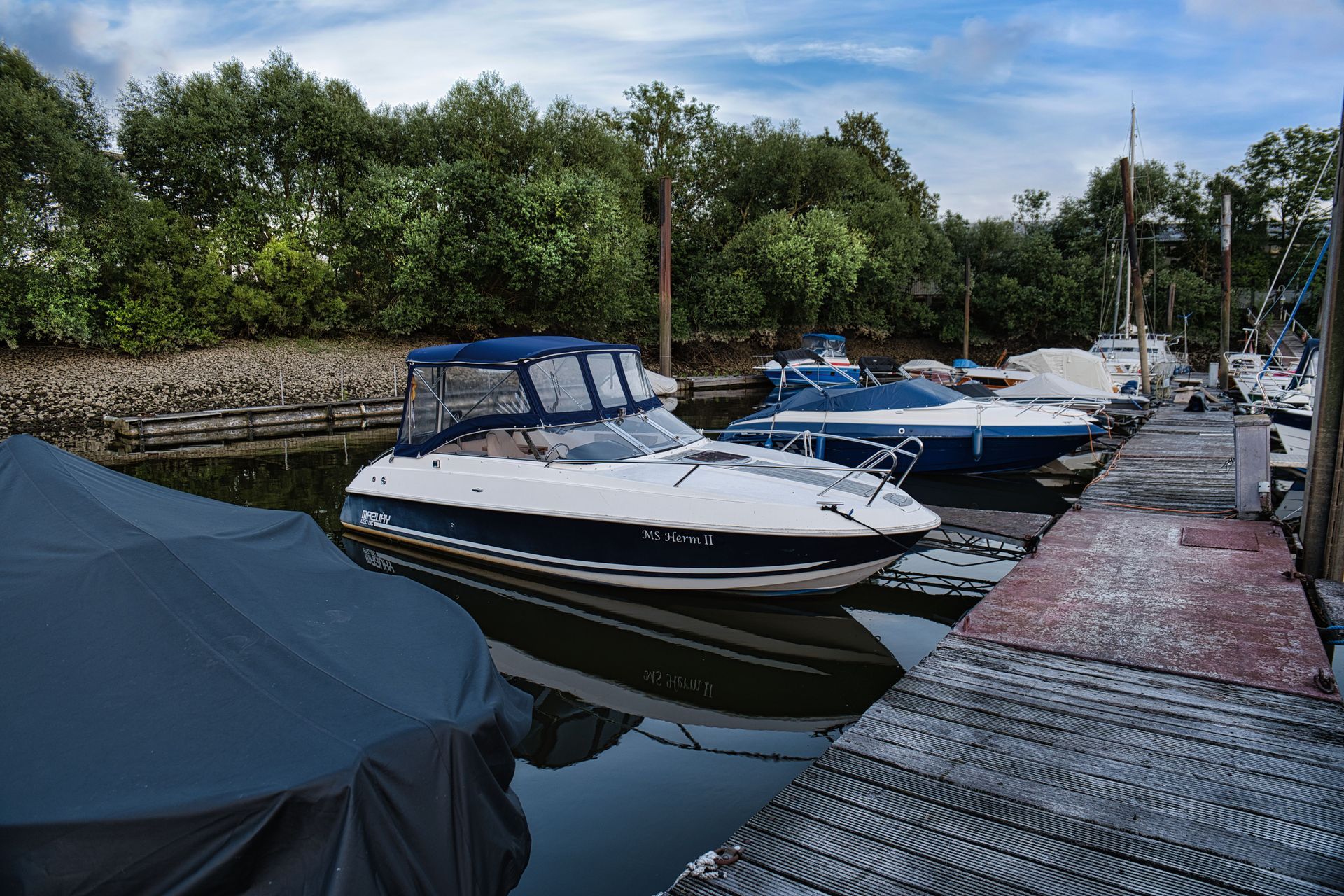
That seasonal swing is also why storage becomes a real line item for people who live here year-round rather than a nice-to-have. Skis, snowboards, kayaks, paddleboards, and bikes all need somewhere to live for six months at a time, and Burlington's older apartments and smaller lots rarely have the space for it. Burton Snowboards is headquartered right here in Burlington, which tells you how central winter sports gear is to the local culture, and anyone who owns a boat or an RV for summers on Lake Champlain runs into the same problem in reverse once the lake freezes.
This is where a facility like All-Purpose Storage, on Swift Street in neighboring South Burlington, actually solves a specific local problem instead of just offering generic extra space. Drive-up units mean loading skis or a kayak doesn't require hauling gear through a hallway, and dedicated RV, boat, and motorcycle parking spots handle the vehicles that don't fit in a driveway built for one car.
A college town twice over
Burlington is a legitimate college town, home to the University of Vermont and Champlain College, with a handful of smaller colleges within a couple miles of downtown. That academic presence shapes everything from the age of the population to the rental market's timing, since student move-in and move-out cycles create predictable spikes in apartment turnover every May and August.
For students and their families, that turnover is exactly when storage becomes unavoidable. A summer internship somewhere else, a lease that ends before the next one starts, or simply not wanting to haul a dorm room's worth of belongings home for three months are all common reasons students end up needing short-term storage. All-Purpose Storage's location minutes from both UVM and Champlain College, combined with online rental and automatic billing, is built for exactly that kind of short-notice, short-duration need, and the complimentary dollies and handcarts take some of the pain out of a one-person move.
What the move itself will cost you
Local moves within Vermont typically run $493 to $1,484, with an average hourly rate around $200 once crew size and complexity are factored in. Long-distance moves into Vermont are a bigger range, generally landing between $2,000 and $6,500 depending on distance and load size, with a typical two-bedroom move of around 1,000 miles running close to $3,948. Across the board, moving costs into Vermont have climbed roughly 21% as of mid-2026 due to fuel prices, so booking early and avoiding weekend or peak-season dates is worth real money.
Budget for the in-between period too. Between selling a house elsewhere, waiting on a lease start date, or simply not knowing your exact move-in date until closer to the day, most people relocating to Burlington end up needing somewhere to put their belongings for a few weeks that isn't a moving truck. That gap is exactly what short-term storage is for, and it's worth pricing into your moving budget from the start rather than scrambling for it the week you arrive.
A practical first month in Burlington
Start with housing before anything else. Given how competitive the rental market has gotten, lining up a place before you arrive, or at least before your moving truck does, will save you from paying for extra weeks of temporary storage or a short-term rental. If you're buying, expect to compete with cash offers from out-of-state buyers, and build in extra time for financing in a market where inventory moves fast.
Budget for winter gear even if you're moving in July. Cold-weather boots, a real winter coat, and at least a basic understanding of how you'll handle snow removal are not optional here, and if you own or plan to own recreational gear like skis, a kayak, or an RV, figure out your storage plan before winter forces the issue. Flooding is a lower risk in Burlington proper than in low-lying river towns nearby, since the city's higher elevation kept it largely out of the worst of the 2023 flooding that devastated other parts of the state, but anyone moving into the Intervale or near the Winooski River should still factor flood risk into where they store anything irreplaceable.
Finally, get a real budget together that reflects Burlington's numbers, not national averages. Between the 7% sales tax, a property tax rate above both the state and national median, and rent that's climbed double digits in some unit categories year over year, it's easy to underestimate what Burlington actually costs if you're pricing it off a generic cost-of-living calculator.
Should you make the move?
Burlington rewards people who genuinely want the lifestyle it offers: a walkable downtown, a lake at your doorstep, real winters, and a college town's energy without a big city's size. It's a harder sell for anyone chasing affordability or expecting a car-centric suburban layout, since housing costs here are set by a national market competing for a small supply of older homes. If the tradeoff between cost and lifestyle makes sense to you, the next step is nailing down housing and a realistic budget before the truck shows up.
If you decide to make the move, you'll likely need a plan for the gear, seasonal shifts, and moving-day gaps that come with settling into Burlington. All-Purpose Storage, located at 46 Swift Street in South Burlington, is a newly built facility just minutes from downtown Burlington with easy I-89 access, and it's designed around exactly those local realities.