Boat Depreciation: How Fast Your Investment Loses Value and How to Protect It
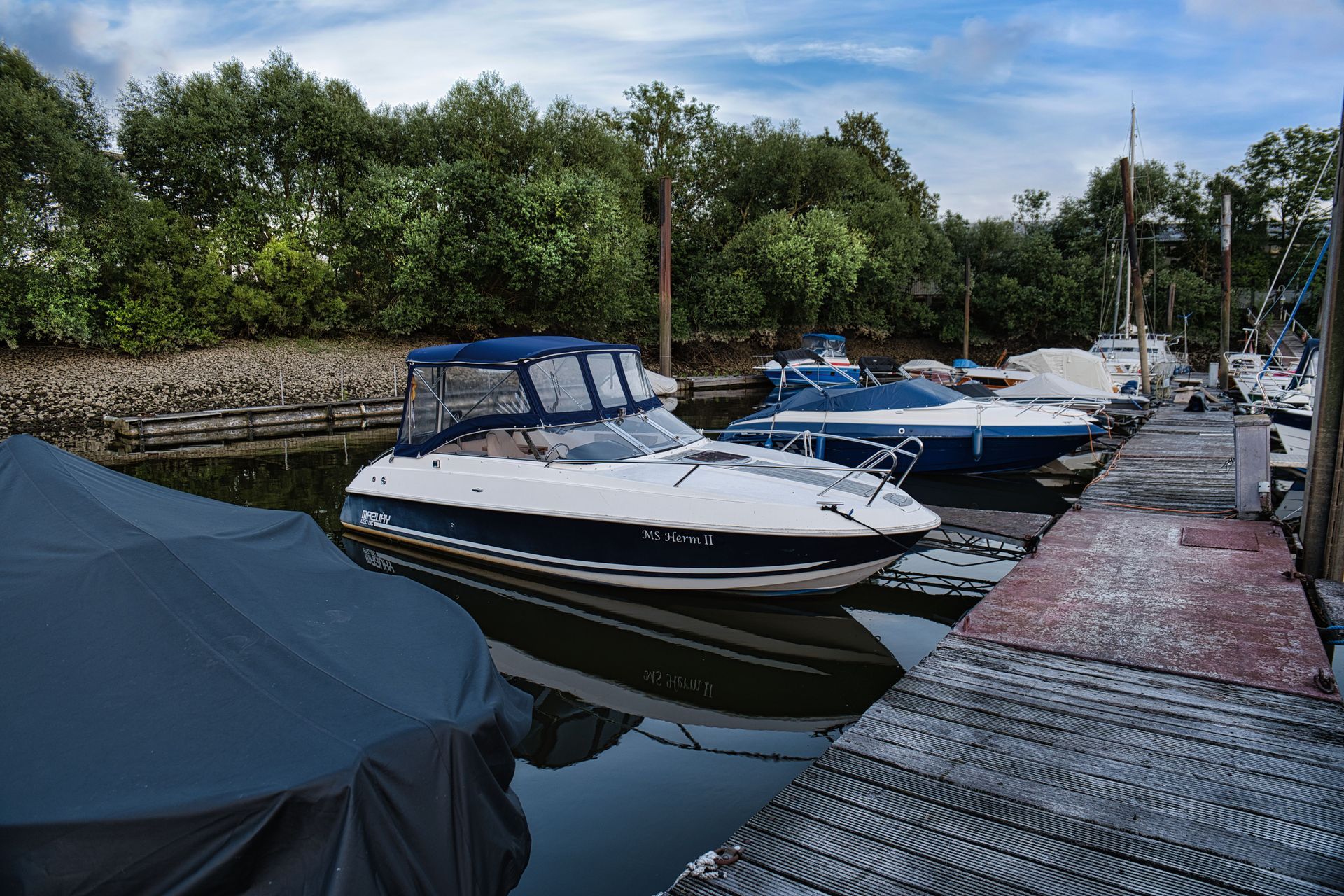
Owning a boat offers something many purchases cannot match: memorable experiences. Fishing outings, weekend cruises, watersports, and family days on the water often become the centerpiece of summer plans. But while the lifestyle benefits are clear, the financial side of ownership is sometimes less discussed. One of the most important realities is boat depreciation.
Boats begin losing value almost immediately after purchase. Understanding how quickly this happens helps owners make better decisions about maintenance, resale timing, and long-term ownership costs.
In this guide, we'll explain how boat depreciation works, how much value a boat typically loses, and how owners can slow that process through smart ownership practices.
Understanding Boat Depreciation
Depreciation refers to the gradual loss of value that occurs as a vehicle ages and accumulates wear. Most motor vehicles depreciate over time, but boats tend to lose value faster than many everyday cars. Several factors influence depreciation, including age, usage levels, maintenance history, market demand, and storage conditions. Boats are especially vulnerable to depreciation because they combine complex mechanical systems with long periods of seasonal inactivity. In simple terms, every hour on the water, every engine hour logged, and every season of exposure to weather can reduce resale value.
According to industry data compiled from boat market listings and resale comparisons, many boats lose a significant portion of their value shortly after purchase. On average, a new boat loses 15 to 25 percent of its value during the first year of ownership. Within five years, total depreciation typically reaches 40 to 50 percent of the original purchase price.
Understanding this depreciation curve helps explain why experienced buyers often look for used boats that are two or three years old. The largest initial drop has already occurred, while the vessel still retains most of its modern features.
How Boat Depreciation Works Over Time
The depreciation curve for boats is steep early in ownership and then gradually slows over time. The biggest drop happens during the first year, when the vessel transitions from "new" to "used." Industry estimates suggest the following pattern for many boats:
- Around 15 to 25 percent depreciation during the first year
- Approximately 40 to 50 percent depreciation within the first five years
- Roughly 5 to 10 percent value loss per year afterward, depending on maintenance, engine hours, and overall condition
To understand how this plays out financially, consider a simple example.
Imagine a boat purchased for $60,000. After one year, the resale value may drop to somewhere between $45,000 and $51,000, depending on the model and condition. By year five, the value might fall to roughly $30,000 to $36,000. That depreciation represents tens of thousands of dollars in lost value, even before factoring in maintenance, insurance, and storage costs.
Although depreciation is unavoidable, the rate at which value declines varies widely between vessels. Several factors influence the speed of depreciation:
- Boat type and hull material
- Engine size and total hours
- Maintenance history
- Storage practices
- Regional demand for certain vessel types
Fishing boats in popular angling regions, for instance, sometimes retain value slightly better because local demand remains consistent.
Why Boats Lose Value
Depreciation occurs for several reasons, and many of them are tied to the realities of how boats are used and kept.
First, mechanical wear is inevitable. Engines accumulate operating hours, interior components age, and electronics eventually become outdated. Second, newer models continually enter the market with upgraded hull designs, improved efficiency, and updated technology. When a newer version becomes available, older models naturally become less desirable.
Environmental exposure is another major contributor to depreciation. Boats are often kept outdoors during the offseason, which exposes them to ultraviolet light, moisture, and seasonal temperature changes. Over time, these conditions can fade gelcoat and exterior finishes, crack seals, and degrade interior materials. Storage conditions play a major role in long-term value retention. Vessels kept in protected environments tend to show fewer cosmetic and structural issues than those left exposed year-round.
The Financial Impact of Depreciation
When people evaluate the cost of owning a boat, they often focus on the purchase price and fuel expenses. However, depreciation is typically one of the largest ownership costs over time.
Consider a realistic scenario: a boat purchased for $50,000 could drop to around $30,000 within five years, depending on usage and condition. That $20,000 loss in value often exceeds the cost of maintenance and insurance combined. These numbers highlight why many experienced buyers focus heavily on maintenance and storage practices that protect long-term resale value.
Slowing Boat Depreciation
Although depreciation cannot be completely avoided, owners can take steps to slow the process.
Consistent maintenance is one of the most effective strategies. Routine inspections, timely repairs, and proper winterization all contribute to preserving a boat's condition. Interior care also matters. Upholstery, flooring, and cabinetry are among the first elements potential buyers evaluate during resale inspections.
Another important factor is engine hours. While boats are designed to be used, excessive usage can accelerate depreciation compared to similar models with lower usage levels. Storage conditions are equally important, making All-Purpose Storage a great choice for boat and RV storage. Boats protected from direct sun, moisture, and seasonal weather fluctuations typically show fewer signs of aging. Even small improvements in condition can influence resale value significantly when buyers compare similar models.
The Bottom Line on Boat Depreciation
Boats represent both a financial investment and a lifestyle purchase. They create opportunities for time on the water with family and friends. But like most vehicles, they lose value over time. Typical depreciation patterns show boats losing 15 to 25 percent of their value in the first year and as much as half their value within five years, depending on model, maintenance, and usage patterns.
Understanding boat depreciation helps owners make informed decisions about buying, maintaining, and protecting their investment.