Your RV Is Losing Value Faster Than You Think: How Smart Storage Helps Protect Your Investment
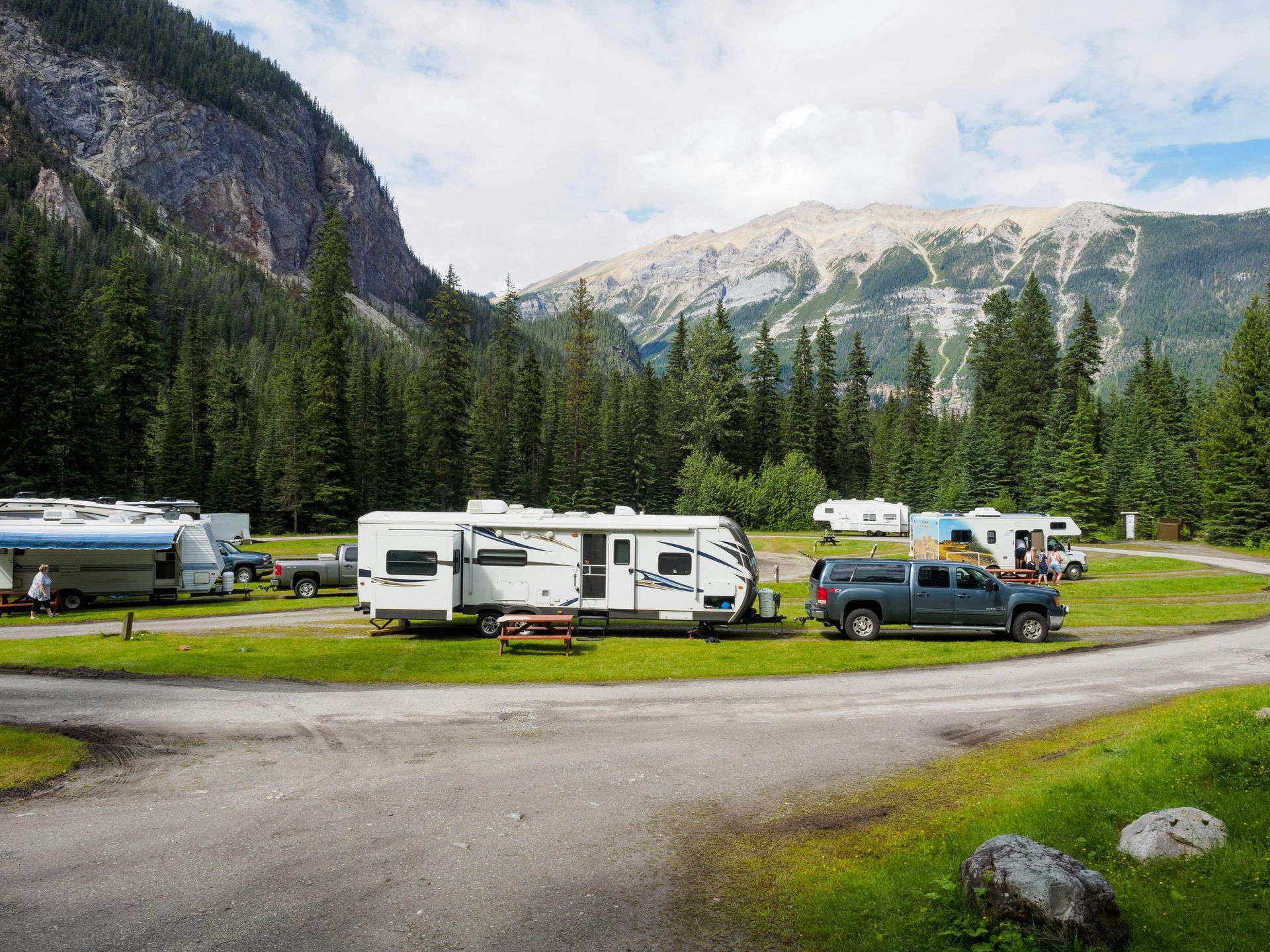
For many Americans, owning an RV is about much more than transportation. It represents the freedom to explore new destinations, spend time outdoors, and enjoy road trips that create lasting memories. From weekend camping excursions to cross-country adventures, recreational vehicles offer a unique way to experience everything the United States has to offer. However, while RV ownership comes with plenty of rewards, it also comes with a reality that every owner eventually faces: depreciation. The moment an RV leaves the dealership lot, its value begins to decline. Although depreciation is unavoidable, the rate at which it occurs is not entirely outside of an owner's control.
In fact, one of the most overlooked factors affecting long-term RV value is where and how the vehicle is stored. Proper storage can help protect exterior surfaces, preserve critical mechanical systems, and reduce the wear and tear that often leads to faster depreciation. Whether researching nationwide storage options in the USA or exploring local storage options in Uncasville, many RV owners discover that storage plays a much larger role in protecting their investment than they initially realized.
Key Points for Readers Short on Time
- Most RVs lose between 15% and 30% of their value during the first year of ownership.
- Environmental exposure is one of the biggest contributors to accelerated depreciation.
- Proper storage helps reduce damage caused by sunlight, moisture, pests, and inactivity.
- Well-maintained RVs generally attract more buyer interest and stronger resale prices.
- Storage works best when combined with routine inspections and preventative maintenance.
Why RV Depreciation Happens in the First Place
Before discussing how storage can help, it is important to understand why RVs depreciate at all. Unlike many other purchases, an RV combines elements of multiple asset types. It is part vehicle, part living space, and part recreational equipment. Because of this unique combination, it contains numerous systems that naturally age over time. Engines accumulate miles, appliances wear out, seals deteriorate, electronics become outdated, and interior finishes begin to show signs of use.
As a result, depreciation is built into the ownership experience. According to the RV Industry Association (RVIA), RV ownership continues to grow throughout the United States as travelers seek more flexible vacation options and outdoor experiences. Nevertheless, growing popularity does not eliminate depreciation. Even highly sought-after models experience value loss as they age.
Several factors influence how quickly an RV depreciates, including:
- Vehicle age
- Mileage
- Brand reputation
- Maintenance history
- Mechanical condition
- Interior appearance
- Exterior condition
- Storage practices
- Market demand
While owners cannot control every variable, they can influence many of them through proper care and protection.
How Much Value Does an RV Lose Each Year?
Although every model is different, most RVs follow similar depreciation patterns. The largest decline typically occurs during the first year of ownership. New RVs commonly lose between 15% and 30% of their original value within the first twelve months. After that initial drop, depreciation continues at a slower but still significant pace. A typical depreciation timeline may look something like this:
- Year 1: 15% to 30%
- Years 2 through 5: 6% to 12% annually
- Years 6 through 10: 4% to 8% annually
For example, an RV purchased for $100,000 could realistically be worth $70,000 to $85,000 after the first year. Over time, that value reduction compounds, especially if maintenance is neglected or environmental damage becomes apparent. However, not all RVs depreciate equally. Imagine two identical motorhomes purchased on the same day. One spends years exposed to direct sunlight, debris, pests, and moisture. The other is consistently maintained and stored properly when not in use. Even though they share the same age and mileage, their resale values may differ dramatically. That difference often comes down to condition.
The Hidden Cost of Leaving an RV Exposed
Many owners assume that simply parking an RV at home is enough. While this may seem convenient, prolonged outdoor exposure can create gradual damage that often goes unnoticed until expensive repairs become necessary. The challenge is that deterioration rarely happens all at once. Instead, it develops slowly over months and years. For example, sunlight continuously bombards exterior surfaces. Over time, UV rays break down paint finishes, fade graphics, dry out rubber seals, and weaken roofing materials. What starts as minor cosmetic wear can eventually create opportunities for water intrusion and structural damage.
At the same time, moisture can create a completely different set of problems. Water entering through aging seals or tiny roof openings can damage insulation, flooring, cabinetry, and electrical systems. Because these issues often remain hidden, they may not be discovered until significant repairs are required. Additionally, long periods of inactivity can affect:
- Tires
- Batteries
- Braking systems
- Suspension components
- Plumbing systems
- Interior furnishings
When potential buyers inspect a used RV, they are often evaluating far more than mileage. They are looking for evidence of how well the vehicle has been protected throughout its life.
Why Storage Matters More Than Many Owners Realize
Storage is frequently viewed as a convenience feature. In reality, it is one of the most important long-term preservation strategies available to RV owners. First, storage helps create a more controlled environment. Rather than sitting exposed to the elements every day, the vehicle receives protection from many of the conditions that contribute to accelerated aging. Second, storage encourages more consistent maintenance habits. Owners who place their RV into storage often perform inspections before and after each storage period. This makes it easier to identify small issues before they become major problems.
Perhaps most importantly, storage helps maintain appearance. Buyers make decisions quickly when evaluating used RVs. A well-preserved exterior immediately creates confidence. Clean surfaces, intact seals, healthy tires, and a cared-for interior suggest responsible ownership. As a result, storage indirectly supports stronger resale value by helping maintain overall condition.
How Proper Storage Helps Reduce Depreciation
While storage cannot stop depreciation entirely, it can slow several of the factors that contribute to value loss.
Protection Against UV Damage
Sun exposure is one of the leading causes of cosmetic deterioration in recreational vehicles.
Over time, UV rays can cause:
- Faded paint
- Oxidized surfaces
- Cracked sealants
- Peeling decals
- Deteriorated roof materials
Because exterior appearance plays such an important role in resale value, reducing sun exposure can make a meaningful difference over the lifespan of an RV.
Preserving Tires and Mechanical Components
Tires are particularly vulnerable during extended periods of inactivity. Even when an RV is not being driven, tires continue aging. Exposure to sunlight and prolonged stationary positioning can contribute to sidewall cracking and flat spots. Similarly, batteries, seals, and mechanical systems benefit from routine monitoring and protected storage conditions. These preventative measures can help reduce maintenance expenses while preserving overall vehicle condition.
Supporting Interior Longevity
The interior of an RV contains many of the same materials found inside a home. Furniture, flooring, countertops, cabinetry, electronics, and appliances all experience wear over time. When an RV is exposed to excessive heat and moisture for extended periods, these materials can deteriorate more rapidly. Storage helps reduce that exposure, allowing interiors to remain cleaner, fresher, and more appealing to future buyers.
Reducing Moisture-Related Risks
Water damage is often one of the most expensive issues RV owners encounter. Even minor leaks can affect structural components and create long-term maintenance challenges. Furthermore, evidence of previous water intrusion can significantly lower buyer confidence during resale. By minimizing exposure and supporting regular inspections, storage can help reduce the likelihood of moisture-related deterioration.
RV Travel and Recreation Across the United States
One reason RV ownership remains so popular is the incredible variety of destinations available throughout the country. Many RV travelers spend their time exploring national parks, state forests, historic towns, lakeside campgrounds, and coastal attractions. In Connecticut alone, travelers can enjoy scenic drives, maritime attractions, hiking opportunities, and cultural destinations that attract visitors throughout the year.
The Connecticut Office of Tourism highlights numerous recreational opportunities that make the region appealing for RV travel and outdoor exploration. Because many owners use their RVs seasonally, storage often becomes an essential part of ownership. During periods between trips, proper storage helps ensure that the vehicle remains ready for future adventures while minimizing unnecessary wear.
Combining Storage With Smart Maintenance
Storage is most effective when paired with consistent maintenance practices. The owners who typically preserve value most successfully are those who treat storage as part of a larger vehicle care strategy.
This includes:
- Following manufacturer maintenance schedules
- Inspecting roof seals regularly
- Monitoring tire pressure
- Maintaining battery health
- Cleaning exterior surfaces
- Addressing repairs promptly
- Keeping detailed service records
Documentation can also play an important role during resale. Buyers often appreciate records that demonstrate a consistent commitment to maintenance and care. Many of the same principles apply to other recreational investments as well. For example, owners interested in preserving marine equipment may find valuable insights in this guide on how to store your boat to avoid depreciation. Similarly, those managing multiple recreational vehicles can learn more about long-term protection strategies through this resource covering boat and RV storage for recreational vehicles.
Looking at the Bigger Picture
Ultimately, depreciation is not simply a matter of age. It is largely a reflection of the condition. Every year, buyers compare used RVs that are similar in age, mileage, and specifications. Yet some command noticeably higher prices than others. In many cases, the deciding factor is how well the vehicle has been preserved. Storage may not seem exciting compared to planning a road trip or upgrading features, but its impact can be substantial over the life of an RV. Small preventative measures taken today can help reduce future repair costs, improve ownership satisfaction, and preserve more of the vehicle's value when it comes time to sell.
Every RV will depreciate. That reality is unavoidable. However, the speed at which value declines often depends on how well the vehicle is protected from unnecessary wear and deterioration. Sun exposure, moisture, pests, and prolonged inactivity can all accelerate depreciation, making proper storage one of the most effective tools available to owners who want to protect their investment. By reducing environmental stress and supporting long-term maintenance efforts, storage helps preserve both appearance and functionality over time. Whether researching our nationwide storage options throughout the USA or exploring nearby storage options in Uncasville, RV owners often find that proper storage contributes significantly to maintaining the condition, reliability, and long-term value of their recreational vehicle.