Is Your Snowblower Sitting Idle? Here's How to Store It Properly So It's Ready for Next Winter
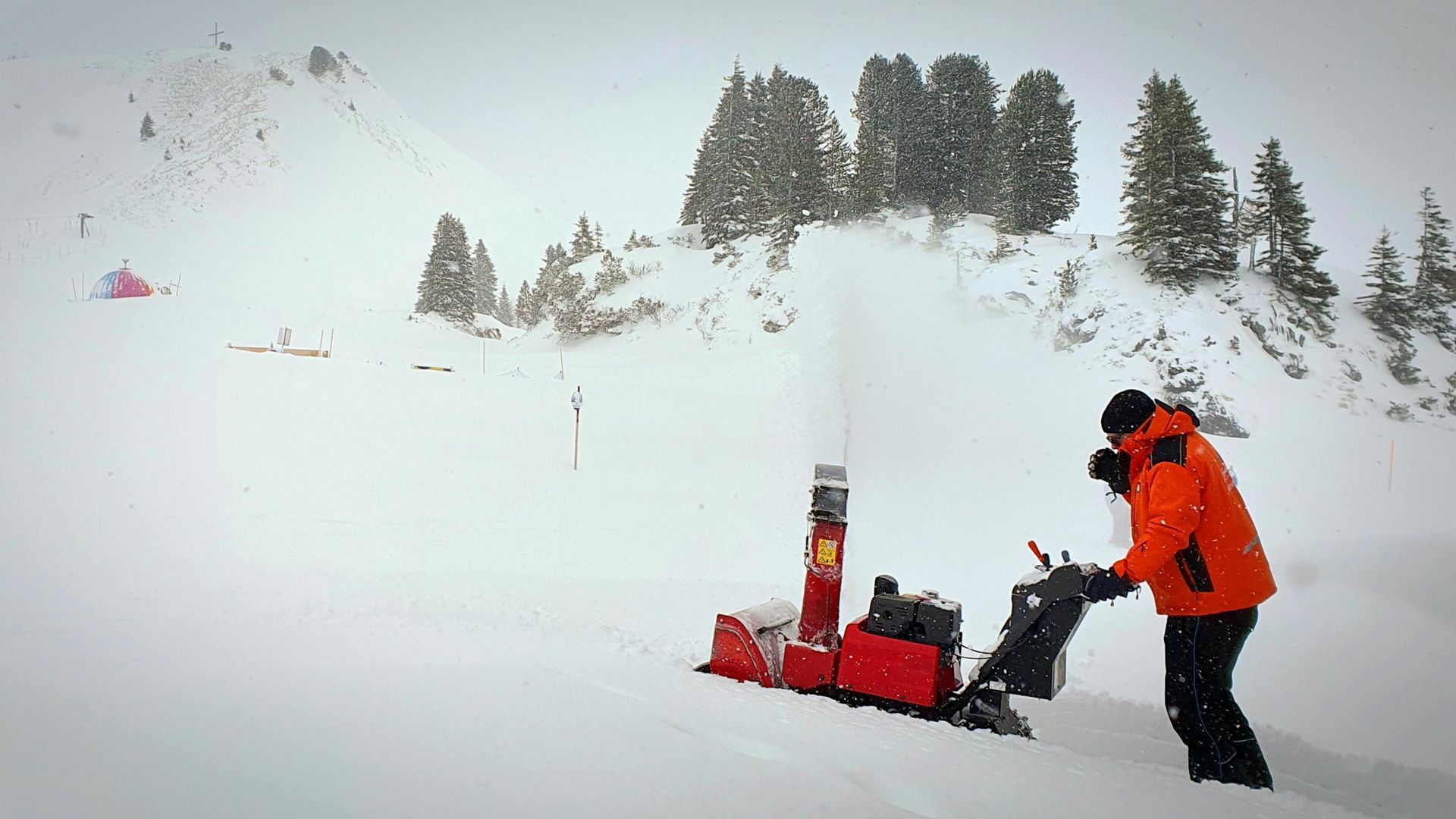
As winter comes to an end across much of the United States, many homeowners begin shifting their attention to warm-weather projects and outdoor activities. Garages that once housed snowblowers, shovels, and ice melt supplies soon become staging areas for bicycles, lawn equipment, kayaks, camping gear, and other seasonal essentials. During this transition, it's easy to push a snowblower into the corner of the garage and forget about it until the first snowfall arrives months later. However, that approach often leads to frustration when winter returns. A snowblower that has been stored improperly can develop fuel system problems, rust, corrosion, and mechanical issues that prevent it from starting when you need it most. Fortunately, taking a little time to prepare your machine for the off-season can help protect your investment and reduce the likelihood of costly repairs.
Whether you rely on your snowblower for clearing a long driveway, maintaining a rural property, or simply navigating winter storms more efficiently, proper storage plays a major role in keeping the equipment dependable year after year. In many parts of the country, homeowners use the warmer months to enjoy hiking trails, camping destinations, state parks, and waterfront recreation. While you're preparing for those seasonal activities, it's also the perfect opportunity to prepare your snowblower for a long period of inactivity. For households that need additional room for seasonal equipment, recreational gear, and home organization projects, exploring storage options across the USA can help create valuable space while keeping belongings organized throughout the year.
Key Points for Readers Short on Time
- Clean your snowblower thoroughly before storing it to remove salt, dirt, and moisture.
- Stabilize or remove fuel to prevent carburetor and engine issues during the off-season.
- Inspect belts, cables, and moving components while the machine is not in use.
- Store the equipment in a clean, dry environment away from moisture and pests.
- Consider dedicated storage space if seasonal equipment is overcrowding your garage.
Why Summer Storage Has Such a Big Impact on Winter Performance
Many people assume that a snowblower can simply be parked after its final use of the season. While that may seem harmless, months of inactivity can actually create conditions that accelerate wear and tear. Residual moisture, untreated fuel, and leftover debris can continue affecting the machine long after winter has ended. For example, even a small amount of moisture trapped inside the housing can gradually lead to corrosion. Likewise, gasoline that sits for months without treatment can deteriorate and leave deposits throughout the fuel system. By the time the first snowstorm arrives, these seemingly minor issues can result in a machine that runs poorly or refuses to start altogether.
This is why proper storage should be viewed as part of your annual maintenance routine rather than an optional task. In much the same way that people winterize boats or prepare lawn equipment for storage, snowblowers benefit greatly from seasonal preparation. Proper maintenance and storage practices can help extend equipment life and improve reliability over time.
Begin with a Thorough Cleaning Before Putting the Machine Away
Before addressing fuel, oil, or mechanical components, start by giving the snowblower a comprehensive cleaning. Although this may seem like a simple step, it is one of the most important parts of the entire storage process. Throughout the winter, snowblowers are exposed to road salt, sand, dirt, ice, and other debris. These materials often accumulate in hidden areas around the auger housing, chute, skid shoes, and undercarriage. If left in place during storage, they can trap moisture and contribute to rust development throughout the summer.
Start by disconnecting the spark plug to prevent accidental starting. Then carefully brush away dirt and debris from all accessible surfaces. Pay special attention to areas where packed snow and slush frequently collect during operation. In many cases, homeowners are surprised by how much residue remains after the season ends. Once visible debris has been removed, wipe down metal surfaces and inspect painted areas for chips or scratches. Finally, allow the machine to dry completely before moving on to additional maintenance steps. Storing a damp machine can undo much of the effort you've invested in cleaning it.
Next, Address the Fuel System Before Problems Develop
After the snowblower is clean and dry, the next priority should be the fuel system. This is where many storage-related problems begin. Gasoline does not remain stable indefinitely. Over time, it breaks down and can create varnish-like deposits inside fuel lines and carburetors. These deposits frequently become the reason a snowblower struggles to start after months of storage. Fortunately, there are two commonly recommended approaches.
Some homeowners choose to add a fuel stabilizer and run the engine for several minutes. This allows treated fuel to circulate throughout the system and helps protect internal components during storage. Others prefer to completely drain the fuel tank and run the machine until it shuts off naturally, leaving minimal fuel behind. Both methods can be effective, although the best choice often depends on the manufacturer's recommendations. Because equipment designs vary, it is always worth reviewing the owner's manual before proceeding. By taking care of the fuel system now, you significantly reduce the chances of encountering frustrating startup issues when winter eventually returns.
Don't Overlook Oil Changes and Preventive Maintenance
Once the fuel system has been addressed, it's a good time to perform any routine maintenance that may have been postponed during the busy winter season. Used engine oil contains contaminants that accumulate during operation. If those contaminants remain inside the engine for several months, they can contribute to unnecessary wear. Replacing the oil before storage helps ensure that internal components remain protected throughout the off-season.
At the same time, inspect belts, cables, fasteners, and moving parts. This is often easier to do during spring and summer than it is during the middle of a snowstorm when repairs suddenly become urgent. In addition, lubricating moving components can help prevent corrosion and ensure smoother operation when the machine is put back into service. Although these tasks require a little extra effort now, they often save considerable time and expense later. The U.S. Consumer Product Safety Commission also encourages equipment owners to follow manufacturer maintenance recommendations to promote safe and reliable operation.
Choosing the Right Storage Environment Matters More Than Many People Realize
Even a perfectly maintained snowblower can suffer damage if it is stored in an unsuitable environment. Therefore, where you store the machine is nearly as important as how you prepare it. Ideally, a snowblower should be kept in a location that remains dry, clean, and protected from excessive moisture. Exposure to damp conditions can encourage rust formation, while dust and pests may create additional problems over time.
For many homeowners, finding that space becomes increasingly difficult during the summer months. Garages often fill quickly with lawn mowers, bicycles, gardening supplies, camping equipment, fishing gear, and outdoor furniture. As a result, valuable equipment may end up squeezed into corners where it is vulnerable to accidental damage. This is one reason some property owners choose dedicated storage solutions for seasonal equipment. Understanding the advantages discussed in this article about the benefits of climate-controlled storage units can help when evaluating options for protecting valuable belongings throughout the year.
Creating More Space for Seasonal Equipment and Recreation Gear
One challenge many homeowners face is balancing storage needs across multiple seasons. During winter, snowblowers take center stage. During summer, however, bicycles, kayaks, camping equipment, and lawn care tools often require easy access. Instead of allowing equipment to accumulate wherever space is available, it can be helpful to develop a seasonal storage strategy. Organizing items according to when they are used helps reduce clutter and makes it easier to locate what you need throughout the year. For those new to self-storage, the article on maximizing your first-time self-storage experience offers practical guidance on organization, accessibility, and long-term storage planning. By creating a dedicated space for off-season equipment, homeowners often find it easier to maintain both their belongings and their living spaces.
Although it may be tempting to park your snowblower after the last winter storm and forget about it until next season, a little preparation can make a substantial difference in its long term performance. Cleaning away debris, protecting the fuel system, performing preventive maintenance, and choosing an appropriate storage environment all contribute to a machine that starts more reliably and lasts longer. Just as importantly, proper storage helps free up valuable space for the recreational activities and equipment that often take priority during the warmer months. Whether you're reorganizing a crowded garage or simply looking for a better way to manage seasonal belongings, solutions such as our storage units in Belmont, Maine, and other of our storage options across the USA can help support a more organized approach to storing equipment throughout the year.