The Real Cost of Living in Burlington, Vermont
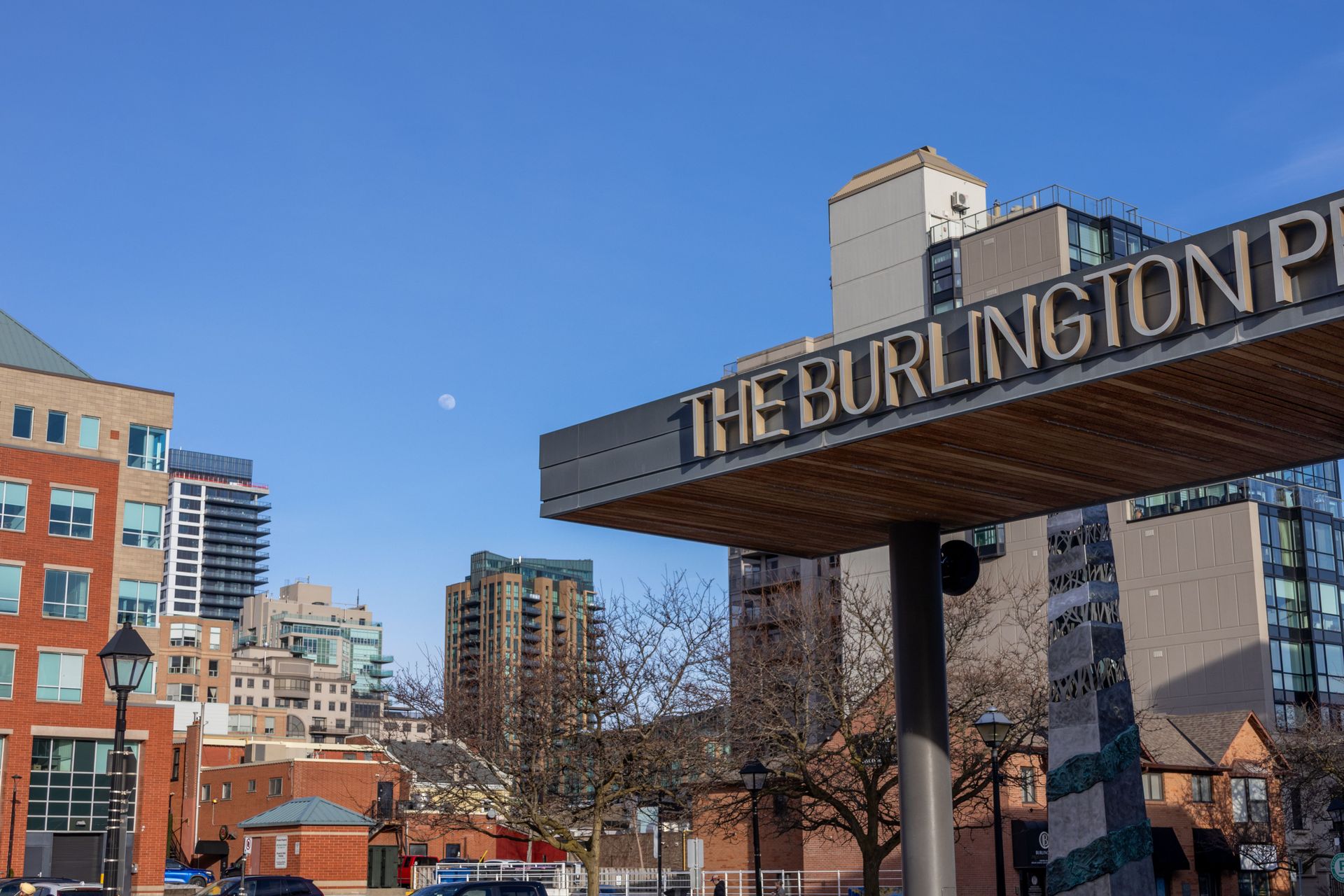
Burlington sits on the eastern shore of Lake Champlain with the Green Mountains rising up behind it, and it's the kind of setting that makes people rearrange their whole lives to live there. The waterfront bike path connects Waterfront Park to beaches along the lake, Church Street Marketplace packs over 100 shops and restaurants into four pedestrian blocks, and the University of Vermont keeps the median age around 27, which explains why the city feels more like a college town with a downtown than a sleepy New England outpost. It's Vermont's biggest city by a wide margin, though "biggest" here means something different than it does in most states. Add in a legitimately good farm-to-table food scene and a startup culture that's grown up around UVM, and you get a place that draws people who could live almost anywhere and choose Burlington on purpose.
That kind of demand has a price tag, though, and it's worth understanding before you start packing boxes. Vermont as a whole is not a cheap state to live in, and Burlington, as its economic and cultural center, sits at the top of that range. Here's what the numbers actually look like, category by category, so you can budget with your eyes open instead of finding out the hard way after you've signed a lease.
Buying a Home in Burlington
Homes in Burlington sold for a median price of $532,200 in June 2026, according to recent market data, with 124 homes sold that month, up from 121 the same month a year earlier. That's a meaningfully higher price tag than most of the country, and it's the category doing most of the heavy lifting when people say Burlington is expensive. One cost of living index puts Burlington's overall housing costs at 58% above the national average, well ahead of any other expense category in the city.
Part of what drives this is simple supply and demand. Burlington is hemmed in by the lake on one side and a limited amount of buildable land overall, and it's not building new housing at anywhere near the pace of demand from UVM-area professionals, retirees relocating from more expensive metros, and remote workers who realized they could live somewhere prettier. If you're planning to buy, expect competition for anything well-priced and be ready to move fast when the right listing shows up.
Renting in Burlington
If buying feels out of reach right now, you're not alone, though the rental picture is a little more mixed than you might expect. Recent rental market data puts the citywide median rent at $2,100 a month, about 8% above the national average, with average asking rents of $1,812 for a studio, $1,850 for a one-bedroom, and $2,145 for a two-bedroom. Interestingly, rents have actually cooled a bit over the past year in most size categories, with one and two-bedroom units down 7% and 9% respectively, even as studios climbed 16% on tighter demand from students and young professionals.
That kind of rent, paired with a median household income of around $71,000, still means a lot of Burlington renters are putting well over the recommended 30% of income toward housing. It's a real constraint, and it's worth running your own numbers before you commit to a specific neighborhood or unit size. Roommates and slightly longer commutes from towns like Winooski or Essex Junction can meaningfully soften the blow.
Taxes: Income, Property, and Sales
Vermont's income tax is graduated and tops out relatively high. State rates range from 3.35% to 8.75% depending on income bracket, which puts Vermont on the higher end nationally, though it's far from the most aggressive state out there. Sales tax is more moderate, with a 6% state rate and a combined state and local average of 6.39% once you factor in local option taxes in certain towns.
Property taxes are where Burlington gets specific and a little more complicated. The city's current homestead property tax rates combine an education tax rate of 1.5264% with a municipal rate of 0.8557%, for a total right around 2.38%. Run that against a home assessed at $400,000, and you're looking at roughly $9,500 a year in property taxes alone. That's a meaningful line item to build into your monthly budget, especially if you're used to a state with lower property tax rates.
Groceries, Utilities, and Everyday Costs
Day-to-day expenses in Burlington run a bit above the national average, but not dramatically so, at least compared to housing. Groceries in Burlington sit at roughly 7% above the national average, which is noticeable but not the kind of number that reshapes a household budget on its own. It's the kind of gap you absorb over a few extra dollars per grocery run rather than a line item that forces a lifestyle change.
Utilities tell a similar story. Overall utility costs in Burlington run about 6% above the national average, which tracks with what you'd expect from a state with real winters and heating bills to match. If you're moving from somewhere warmer, budget for a bigger swing in your energy costs between January and July than you're probably used to, since Vermont winters put real demand on heating systems for several months straight.
Getting Around Burlington
Burlington itself is compact and walkable by New England standards, and the bike path system along the waterfront genuinely gets used for commuting, not just recreation. That said, most jobs and errands still require a car for at least part of the week, especially once you're outside the downtown core, so it's worth factoring current gas prices into your commuting math rather than assuming last year's numbers still hold.
Is Burlington Worth the Price Tag?
Put it all together and Burlington's overall cost of living index lands around 121, meaning it costs about 21% more than the average American city to live here. Nearly all of that premium traces back to housing rather than day-to-day spending. That's actually useful to know, because a problem concentrated in one category is a lot easier to plan around than one spread evenly across your whole budget. Get the housing piece right, by buying smart, renting with roommates, or looking just outside city limits, and the rest of your monthly spending won't feel wildly different from a mid-sized city almost anywhere else in the Northeast.
Plenty of people decide the tradeoff is worth it, and it's easy to see why once you've spent a summer evening on the waterfront or a Saturday wandering Church Street. The lake, the mountains, the food, and the energy of a college town wrapped around a genuine small city add up to something that's hard to price out on a spreadsheet, even when the spreadsheet is exactly what got you here in the first place. And if the move itself has you juggling more boxes than your new place can hold, All-Purpose Storage has a South Burlington facility just minutes from downtown to help you bridge the gap.