Give the Garage Back Some Room: Storing Lawn and Garden Tools Properly
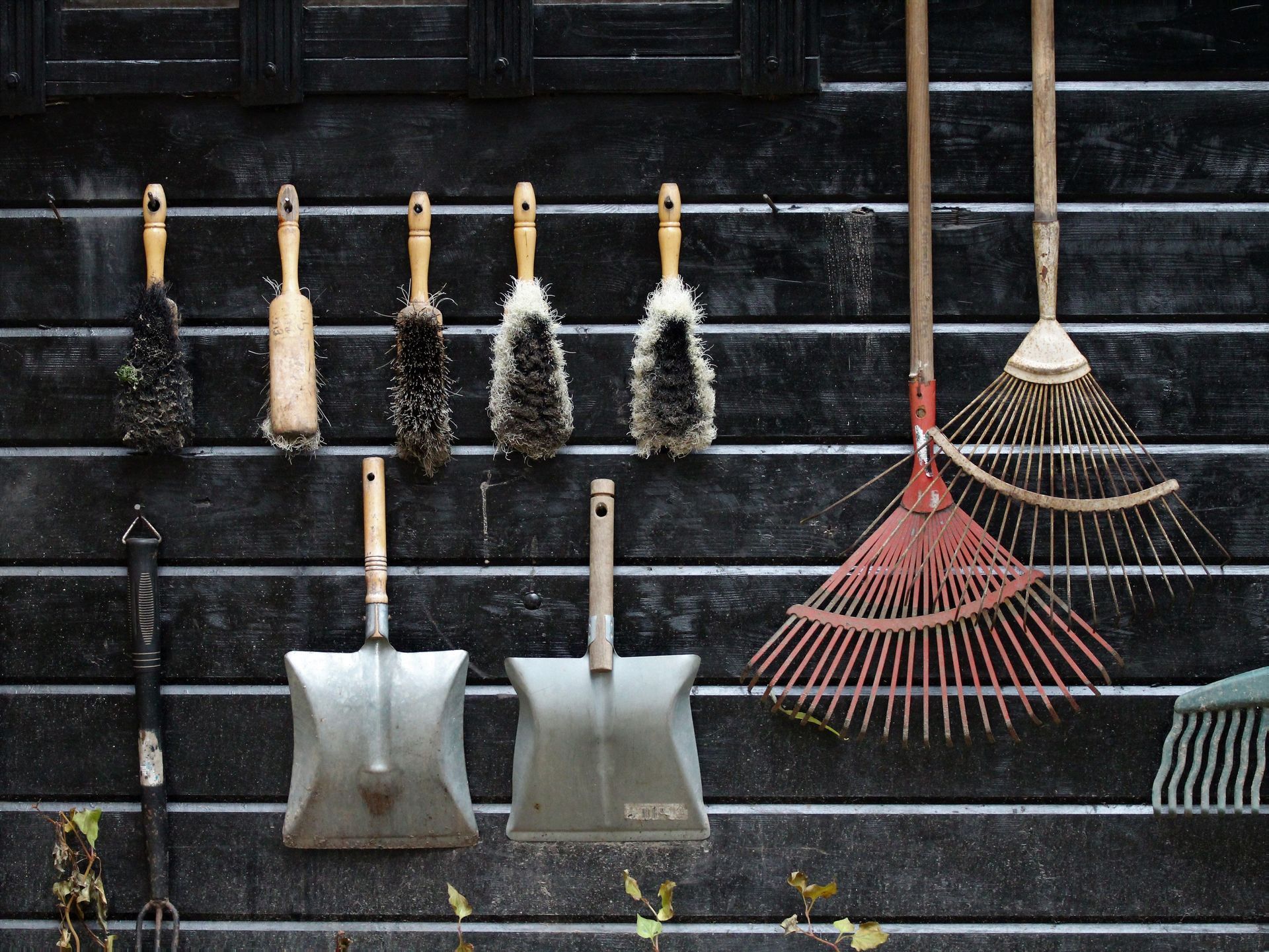
Shovels leaning against a wall, rakes catching on everything nearby, and garden equipment filling the path through the garage are signs that the gardening season has created its own storage problem. Putting those tools away properly protects the equipment and makes the space easier to use. For equipment that doesn't need to stay at home all year, our storage options in your area provide another place for seasonal belongings. Before anything goes into a unit, though, clean and organize the tools so they're ready when you need them again.
Clean Tools Before Storage
Don't store a shovel with soil still packed onto the blade or put away pruning tools covered with plant debris. Brush or wash dirt from garden tools according to the manufacturer's care instructions. Pay attention to joints, hinges, blades, and other places where soil collects. Dry tools thoroughly after cleaning. Putting wet metal equipment into a closed container or crowded corner creates poor conditions for long-term storage.
Inspect Before You Put Everything Away
Storage is a useful time to catch damage you might otherwise discover on the first day of the next gardening season. Look for loose handles, cracked wood, bent parts, damaged fasteners, corrosion, and worn cutting edges. Repair or replace damaged components according to the tool manufacturer's instructions. This is also a good time to decide what no longer deserves space. Broken plastic pots, unusable hoses, worn gloves, and duplicate hand tools can accumulate quietly over several seasons.
Take Care of Cutting Tools
Pruners, shears, loppers, axes, and other cutting equipment need more attention than a rake or watering can. Clean the cutting surfaces and follow the manufacturer's recommendations for sharpening and lubrication. Don't improvise with powered sharpening equipment unless you know the correct angle and technique for the particular tool. Once prepared, store cutting tools so exposed edges can't injure someone reaching into a container or walking through the unit. Use the tool's protective sheath or guard when one is provided.
Long-Handled Tools Need a System
Rakes, hoes, shovels, spades, and similar tools become frustrating when they're piled horizontally on top of one another. One tool inevitably ends up underneath the five others you need to move first. A suitable rack keeps long-handled equipment together and prevents it from falling into the aisle. If you're using freestanding shelving or a rack in a storage unit, make sure it's stable and allowed under the property's rules. Don't lean a large collection loosely against the unit door. Besides making the space difficult to enter, shifting tools can fall when the door opens.
Don't Treat Powered Equipment Like a Hand Tool
Lawn equipment with an engine, battery, fuel system, or electrical components needs its own storage procedure. Follow the owner's manual for fuel, batteries, fluids, cleaning, lubrication, and long periods of inactivity. Requirements vary significantly among gasoline-powered, corded, and battery-powered equipment. Storage facilities also restrict hazardous and flammable materials. Don't bring fuel, chemicals, or other prohibited materials into a unit because it happens to be part of your normal lawn-care setup. Confirm facility rules before move-in. If a snowblower rotates in and out of the same garage space as your lawn equipment, our guide to storing a snowblower for summer covers that machine separately.
Keep Garden Chemicals Out of the Unit
Fertilizers, pesticides, herbicides, fuels, and other lawn chemicals shouldn't simply be packed into a storage bin with hand tools. Storage properties have rules governing hazardous, combustible, and prohibited materials. Keep chemicals in an appropriate location at home and follow their labels for storage and disposal. If you're uncertain about an item, ask the facility before bringing it onto the property. It's much easier to resolve the question beforehand than during move-in.
Group Small Tools and Accessories
Hand trowels, gloves, hose fittings, watering attachments, kneeling pads, plant ties, and other small garden items disappear quickly when they're scattered among large equipment. Group related items in labeled containers. Clear containers make identification easy, while opaque bins need specific labels. "Garden" is less useful than "irrigation fittings and hand tools." Keep heavier metal tools low. Lighter supplies can sit above them on shelving without creating a top-heavy stack.
Store Hoses Without Sharp Kinks
Drain hoses before long-term storage and allow them to dry. Coil them in broad loops instead of forcing them into a tight container. Avoid placing heavy equipment on top of a hose. Long periods under a shovel, mower part, or loaded box can leave the hose flattened or sharply bent. Store removable fittings together so you aren't searching through several boxes when it's time to reconnect everything.
Think About Retrieval Before Filling the Unit
Seasonal equipment usually comes back out in groups. Garden tools may leave storage in spring while patio or recreational items move in. Arrange the unit around that cycle. Keep the next season's equipment accessible rather than packing it behind furniture and boxes that won't move for another year. Drive-up storage can be particularly useful for bulky tools and equipment because, where available, it lets you pull a vehicle directly up to the unit door. That reduces the amount of carrying between the vehicle and storage space. Our guide to creating the perfect picnic also covers another side of seasonal outdoor planning if you're organizing the gear that comes out with warmer weather.
Make Next Season's First Weekend Easier
The goal isn't simply to get lawn equipment out of sight. Clean tools, repaired handles, protected cutting edges, organized accessories, and properly prepared powered equipment mean fewer jobs waiting when the next gardening season starts. If seasonal tools have taken over the garage or shed, you can
explore
storage options from All-Purpose Storage and check the unit types available near you. Store only permitted items, and keep fuels and other hazardous materials out of the unit.