From Tools to Bikes: A Practical Guide to Packing Your Garage for a Move
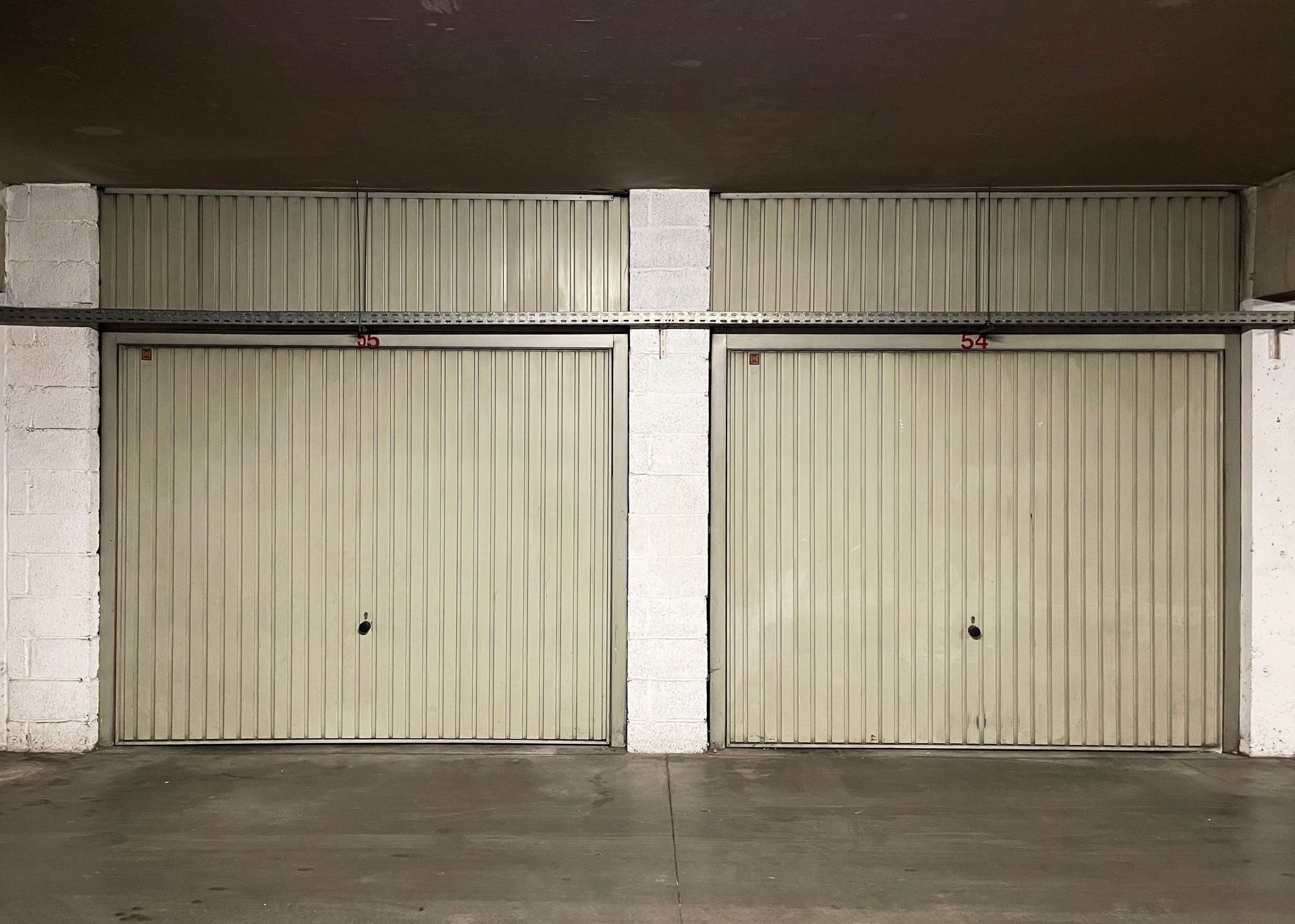
Packing a garage for moving requires more preparation than filling boxes with household belongings. Garages often contain sharp tools, heavy equipment, bicycles, and materials that moving companies or storage facilities won't accept. Some items need to be cleaned or disassembled before they're safe to transport. The best approach is to organize the garage before packing anything. If your new property has less garage space, our storage options in your area can provide additional room for eligible tools and equipment. First, decide what you're bringing and prepare each category for the move.
Clear Out What You Don't Need
Start by removing everything from shelves, cabinets, and workbenches so you can see what the garage actually contains. Group similar items together and check for duplicates. Old paint, broken equipment, worn-out tools, and unused household supplies frequently accumulate in garages. Moving them without a clear purpose adds unnecessary weight and packing time.
Separate belongings into items you'll keep, sell, donate, recycle, or dispose of. Check local disposal requirements for hazardous materials rather than placing them in ordinary household trash. Pay particular attention to chemicals and containers with missing labels. Never combine unidentified substances or pour chemicals into drains simply to empty containers before moving.
Pack Hand Tools Safely
Hand tools should be cleaned and inspected before packing. Remove dirt and moisture from metal surfaces, and check wooden handles for cracks or loose connections. Place small tools in sturdy toolboxes or containers that can support their weight. Keep heavier items toward the bottom and avoid filling oversized boxes with dense metal equipment.
Protect sharp edges on saws, chisels, utility knives, and other cutting tools. Use appropriate guards or sheaths so blades can't puncture packaging or injure someone handling the box. For socket sets, drill bits, and small hardware, use divided organizers or sealed containers. Label each container according to its contents so you can find the correct tools when setting up your new garage.
Prepare Power Tools for Transportation
Power tools require more attention because they contain electrical components, batteries, or moving parts. Disconnect corded equipment and secure cables so they won't become tangled or damaged. Remove detachable accessories when the manufacturer recommends doing so. Keep blades, bits, and other attachments in protective cases rather than leaving them exposed.
Battery-powered tools should be prepared according to their owner's manuals. Lithium-ion batteries have transportation and storage requirements, and some moving companies restrict how they can be shipped.
Keep the batteries and chargers associated with each tool organized. Don't place loose batteries in a box where exposed terminals could contact metal objects.
Handle Paint, Fuel, and Chemicals Separately
Garage chemicals are among the most important items to address before moving day. Gasoline, propane, pesticides, solvents, and other hazardous or flammable materials may be prohibited by movers and storage facilities. Don't pack these substances with ordinary household belongings. Check your moving company's restrictions and follow local disposal guidance for materials you won't transport.
If you're keeping lawn equipment that uses fuel, consult the manufacturer's instructions for preparing it for transportation or extended inactivity. Don't assume that draining or storing fuel is appropriate for every machine.
A storage unit isn't a substitute for approved hazardous-material storage. Confirm the property's rules before bringing powered equipment or chemical products to the facility.
Prepare Lawn and Garden Equipment
Lawn mowers, trimmers, leaf blowers, and other outdoor equipment should be cleaned before transportation. Remove accumulated grass, soil, and plant debris, then let the equipment dry. Check for loose components or attachments that could shift while being moved. Follow the manufacturer's instructions for folding handles, securing moving parts, and preparing fuel or batteries.
Long-handled tools such as rakes and shovels can be grouped together after their sharp ends are protected. Avoid creating bundles that are too heavy or awkward for one person to carry safely. For equipment that will remain packed after your move, our guide to storing lawn and garden tools covers cleaning, organizing, and preparing tools for periods of inactivity.
Pack Bicycles and Recreational Equipment
Bicycles are easier to transport when they're clean and secured against movement. Depending on the bike and available space, removing the front wheel or pedals may make packing easier. Follow the bicycle manufacturer's instructions when removing components, especially on models with hydraulic brakes, electronic systems, or unusual axle designs.
Protect frames from contact with other equipment. Keep removable lights, accessories, and small hardware together in labeled containers. Kayaks and canoes require additional planning because their length and hull shape affect how they can be transported. Our guide to storing a kayak or canoe explains appropriate support methods and precautions for protecting the hull during longer storage periods.
Organize Shelves, Cabinets, and Workbenches
Garage shelving often holds more weight than expected. Empty shelves before attempting to move them, and disassemble units where the manufacturer permits. Keep brackets, bolts, and shelf supports together. Label each set of hardware so the shelving can be reconstructed without mixing parts from different units.
For workbenches, remove detachable accessories and secure drawers or cabinets before transportation. Heavy benches may require professional movers or special equipment. Don't transport shelving loaded with tools or supplies. The extra weight can damage the structure and make it difficult to control while lifting.
Decide What to Do With Vehicles
A move may leave you temporarily without enough driveway or garage space for an additional car. Vehicle storage requires a different arrangement from ordinary household storage. Some of our locations offer vehicle parking or enclosed storage, but availability and vehicle requirements differ by property. Our guide to storing a car in a storage unit explains the measurements, preparation steps, and facility rules worth checking. Measure the vehicle and confirm the available parking dimensions before making arrangements. A large household unit shouldn't be assumed suitable for vehicle storage.
Organize Garage Belongings in Storage
If you're moving into a smaller home, keeping certain garage belongings in a separate unit may be more practical than crowding the new garage immediately. At All-Purpose Storage, we offer different unit sizes and access arrangements across our properties. Drive-up storage is available at select locations, which is worth considering for heavy tools or bulky equipment.
Arrange equipment so frequently used items remain accessible. Place heavier boxes at the bottom of stable stacks and keep sharp tools protected. Avoid stacking equipment in front of the entrance or leaving unstable items leaning against the door. A clear path into the unit makes future retrieval safer.
Give Your New Garage a Fresh Start
Before unloading the moving truck, decide where tools, bicycles, and equipment will go in the new garage. Install or assemble appropriate shelving before filling the space with boxes. If you're downsizing, don't feel obligated to bring every garage item home immediately. You can
explore
storage options from All-Purpose Storage to compare available spaces for equipment that doesn't need to remain on your property. Once your essential tools and regularly used equipment are organized, you'll have a better understanding of how much room is available for everything else.