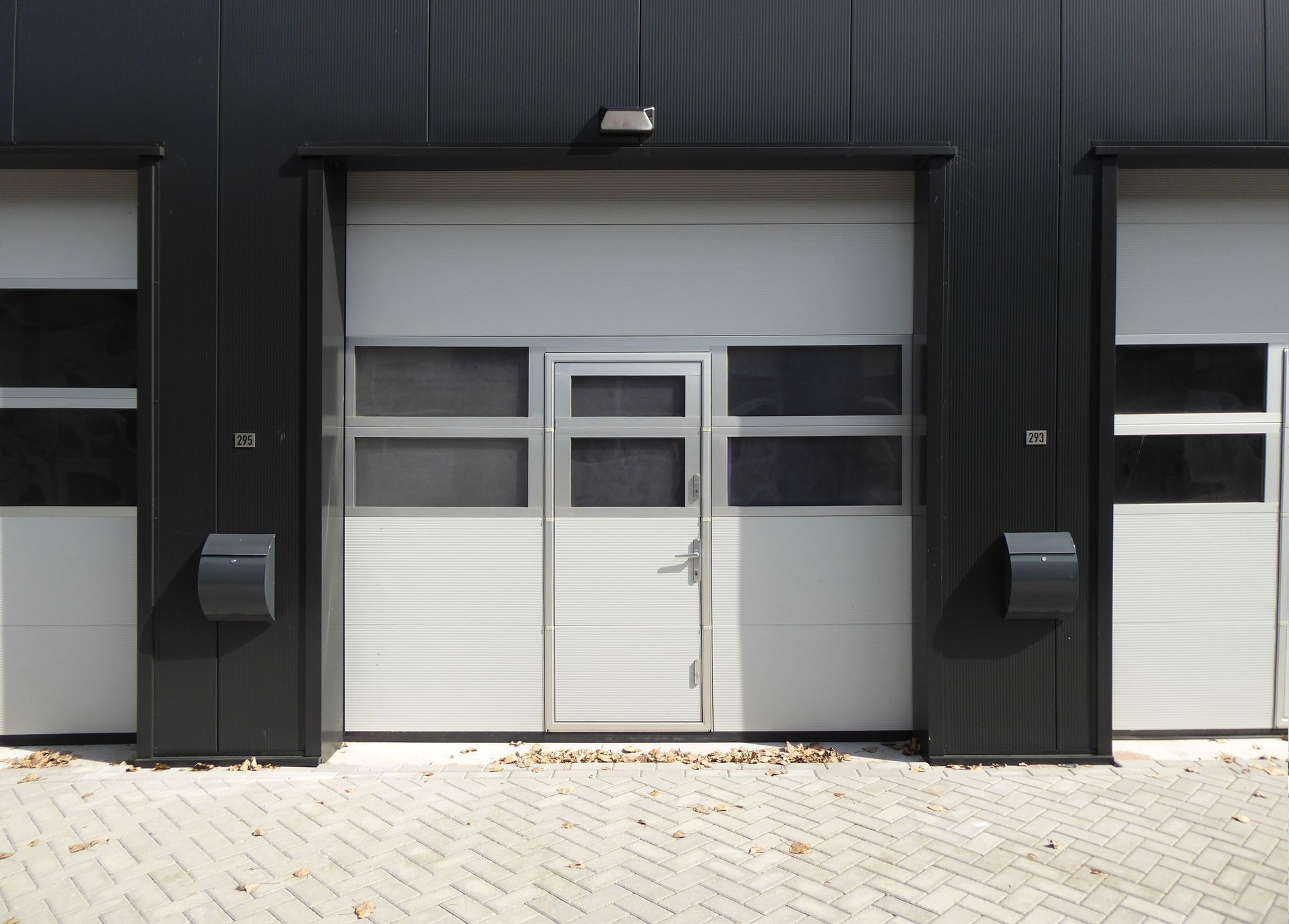
Can You Store a Car in a Storage Unit? What to Check Before You Park

Yes, a car can sometimes be stored inside a storage unit, but the answer depends on more than whether the vehicle physically fits. The facility has to permit vehicle storage, the unit needs suitable dimensions and access, and the car must meet the property's requirements. At All-Purpose Storage, vehicle options differ among our facilities. Some properties offer outdoor parking, indoor parking, or enclosed car storage, so checking the storage options in your area is more reliable than assuming every large unit can hold a vehicle.
Can a Car Fit in a Storage Unit?
It depends on the car and the unit. A unit needs enough interior space for the full length and width of the vehicle, but that's only the beginning. You also need sufficient door clearance and enough room to maneuver the vehicle into position. A unit that looks large enough on paper may still be unsuitable if the entrance is too narrow or the approach doesn't allow a safe turn.
Before renting, measure your vehicle rather than relying only on the manufacturer's general vehicle category. Include mirrors and any permanent accessories that affect the car's width or height. Then confirm that the specific facility permits cars in that type of unit. All-Purpose Storage offers vehicle storage, but the exact options and availability vary by property.
A Large Drive-Up Unit Isn't Automatically a Car Unit
Drive-up access and vehicle storage solve two different problems. A drive-up storage unit lets you pull a vehicle close to the unit door for easier loading and unloading. That setup is useful for furniture, tools, equipment, boxes, and other heavy belongings. It doesn't automatically mean you're allowed to park a car inside the unit. Before putting any vehicle into an enclosed space, confirm that the property permits it and that the particular unit is intended for that use.
Enclosed Storage or Outdoor Vehicle Parking?
Enclosed storage puts the vehicle inside a unit or other indoor space. It provides more separation from direct sun, precipitation, blowing debris, and casual contact than an uncovered parking space. Outdoor parking serves a different need. It's useful when you primarily need a dedicated place for a car and don't require an enclosed unit. Depending on the property, it may also be available for larger vehicles that aren't practical to place inside a standard unit. Neither option is universally better. The right choice depends on the vehicle, storage period, desired level of coverage, budget, and what the particular facility offers.
Prepare the Car Before Long-Term Storage
Start with a clean vehicle. Remove food, trash, and unnecessary belongings from the cabin and trunk. Cleaning the exterior before storage also keeps dirt and contaminants from sitting on the finish for months. Check tire pressure and inspect the tires before parking. A vehicle sitting in one position for an extended period puts continuous pressure on the same portion of each tire, so follow the vehicle and tire manufacturers' recommendations for long-term parking.
Battery care deserves attention as well. Batteries gradually discharge while a vehicle sits, particularly when onboard electronics continue drawing small amounts of power. The correct approach depends on the vehicle, battery, storage environment, and manufacturer instructions. Check fluids and address known leaks before moving the vehicle into storage. A leak that's minor during regular use can become a mess after the car sits in the same spot for weeks.
Don't Guess About Fuel, Batteries, or Starting the Engine
Generic car-storage advice sometimes treats every vehicle the same. Modern gasoline vehicles, diesels, hybrids, electric vehicles, classics, and motorcycles have different long-term storage requirements. Use the owner's manual for instructions on the battery, fuel system, tire pressure, charging, and extended periods of inactivity. If the manufacturer gives specific storage instructions, those should take precedence over a general checklist.
The same principle applies to periodically starting a stored vehicle. Briefly turning on an engine without bringing it through the operating cycle recommended by the manufacturer isn't necessarily useful. Follow the instructions for your particular car rather than creating a routine based on a general rule.
Keep Vehicle Gear Organized Separately
A stored vehicle often comes with another collection of belongings: spare tires, roof racks, cargo carriers, cleaning equipment, tools, seasonal accessories, and travel gear. If the facility rules allow those items in your unit, storing them separately from the car can make the vehicle easier to access. Avoid stacking belongings against the bodywork or placing objects where they could fall onto the car. Drive-up units can also be useful for vehicle-related gear even when the vehicle itself is kept in a designated parking space.
What About RVs and Boats?
Cars aren't the only vehicles that create parking problems at home. Boats and RVs take considerably more room, and neighborhood or property rules can further limit where they can be kept. Our guide on reducing RV depreciation through better storage looks at storage considerations for recreational vehicles. Boat owners can also read our guide to storing a boat to reduce unnecessary depreciation. Those larger vehicles need their own measurements and storage arrangements. Don't assume a space suitable for a passenger car can accommodate a trailer, boat, camper, or motorhome.
Questions to Ask Before Storing a Car
Before you sign a rental agreement, confirm that the location accepts your type of vehicle and ask what documentation is required. You should also know whether you're renting an enclosed unit, indoor parking space, or outdoor parking space. Confirm the dimensions and access arrangement before arrival. If you're considering an enclosed unit, compare the vehicle's measurements with both the interior dimensions and the door opening. Finally, ask about any rules concerning vehicle condition, fluids, fuel, insurance, registration, or access. Requirements can differ by property, so the facility's current rental terms matter more than a generic vehicle-storage checklist.
Give the Car the Right Kind of Space
Storing a car can free a garage or driveway during a move, extended trip, seasonal change, or period when an extra vehicle simply isn't being driven. The key is choosing a space specifically suited to the vehicle rather than assuming any large unit will work. Our portfolio includes several types of vehicle storage, but offerings differ by location. You can
explore
storage options from All-Purpose Storage to see which nearby properties currently list the kind of vehicle space you need.