Packing Up Your Bedroom? Start With These Moving Tips
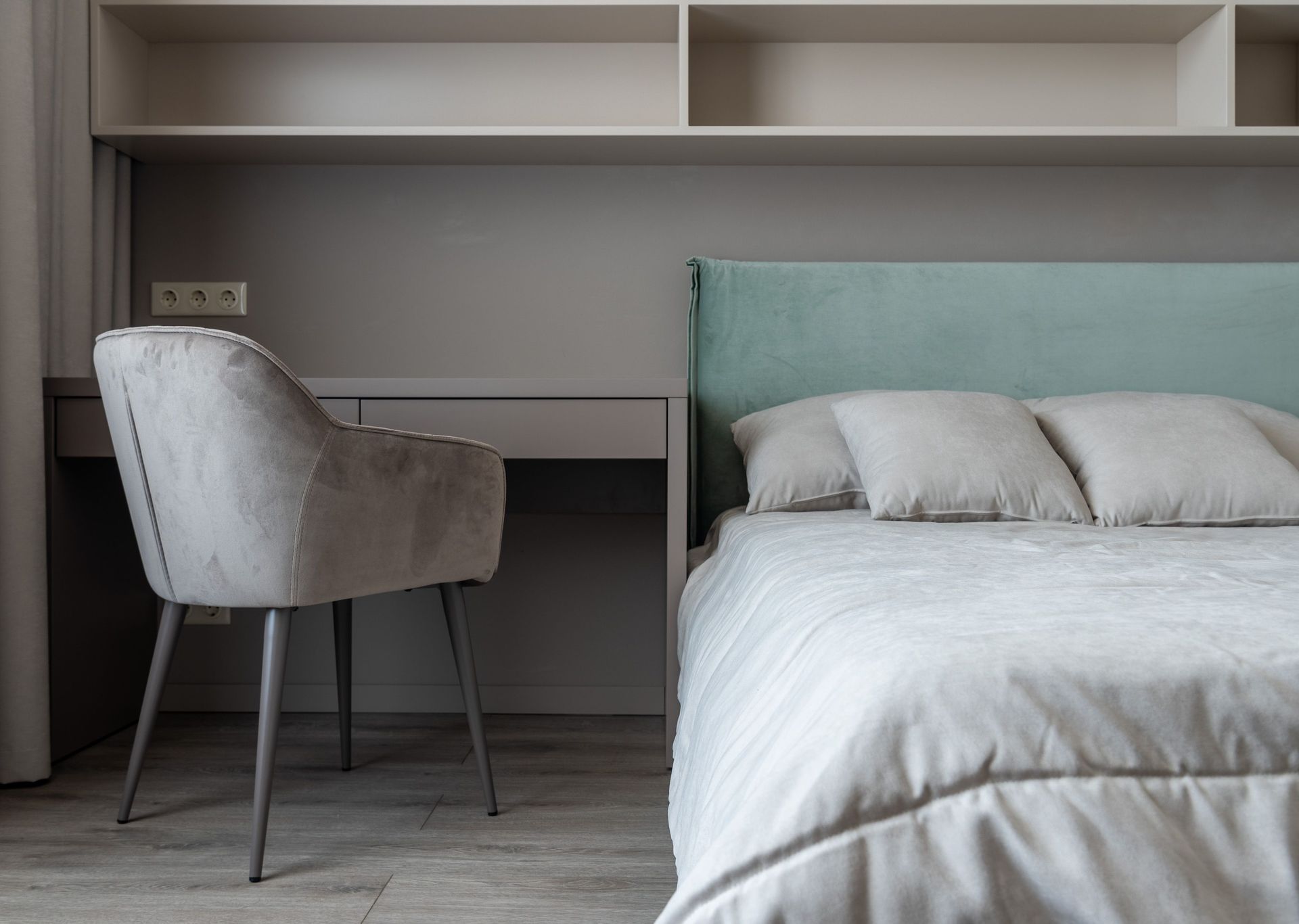
A bedroom may seem like one of the easier rooms to pack, but wardrobes, mattresses, dressers, and personal belongings require different approaches. Clothing can fill more boxes than you expect, while large furniture needs careful handling to prevent damage during transport.
Packing a bedroom for a move starts with separating what you'll need immediately from what you can pack ahead of time. If your new home isn't ready for all your furniture, our storage options in your area offer spaces for belongings that need to stay packed between moves. Before loading the truck, use these steps to prepare your bedroom without creating unnecessary work.
Sort Your Bedroom Before Opening the Boxes
Begin with the closet, dresser drawers, and any storage space beneath the bed. Separate belongings you regularly use from items that can be donated, discarded, or packed for longer-term storage. Moving is a useful opportunity to review clothing that no longer fits, damaged accessories, and bedding you don't need. There's little reason to pay to transport belongings you've already decided not to keep.
Pack decorative items and rarely used possessions first. Keep everyday clothing, toiletries, medications, and essential electronics accessible until the final days before your move. If you're moving into a smaller bedroom, measure the new closet and furniture spaces before deciding how much to bring. It's easier to reduce your belongings before moving than to unpack everything and discover there's nowhere to put it.
Pack Clothing Without Creating Extra Work
Clothing is easier to organize when it's packed according to how you'll unpack it. Group items by category or season rather than mixing unrelated garments in every box. Fold everyday clothes into sturdy boxes or clean containers. Avoid overfilling large boxes with heavy clothing, especially denim or bulky sweaters. Smaller containers are easier to lift and less likely to split during transportation.
For hanging clothes, wardrobe boxes can reduce folding and keep suitable garments on their hangers. If you're not using wardrobe boxes, fold clothing carefully and protect delicate pieces from excessive compression.
Keep a separate bag with enough clothing for the first several days in your new home. Include work clothes, sleepwear, and anything you need before the rest of your wardrobe is unpacked.
Prepare Your Mattress for Moving
A mattress is one of the largest items in a bedroom, and its size makes it vulnerable to dirt and damage during a move. Remove all bedding and inspect the mattress before packing it. Use a mattress bag designed for its dimensions. The cover should protect the surface during handling without forcing the mattress into an undersized sleeve. Seal the bag according to the manufacturer's instructions.
Check the mattress manufacturer's moving recommendations before bending or folding it. Some mattresses can be flexed temporarily, while others may be damaged by folding or improper support. When transporting the mattress, avoid dragging it across floors or placing heavy furniture on top. If it will remain in storage, follow the manufacturer's guidance for positioning and support rather than assuming every mattress can safely stand upright for months.
Disassemble the Bed Frame
Bed frames are easier to transport when the headboard, footboard, rails, and supporting components are separated where the design permits. Before taking anything apart, photograph the assembled frame and the connections between its components. These pictures will be useful when it's time to rebuild the bed. Place screws, bolts, washers, and other small hardware in a labeled bag. Keep that bag with the corresponding frame components rather than dropping it into a general box of miscellaneous hardware.
Wrap wooden and upholstered pieces with appropriate moving blankets or protective materials. Avoid putting adhesive tape directly onto finished wood, painted surfaces, or fabric. If your bed has an adjustable base or electrical components, follow the manufacturer's moving instructions. Disconnect power before handling the equipment and secure any moving parts as directed.
Empty and Protect Dressers
A dresser may look easier to move with its contents still inside, but loaded drawers add weight and can shift during transportation. Remove clothing and other belongings before lifting heavy furniture. If drawers are designed to be removable, take them out according to the manufacturer's instructions and pack them separately.
Secure doors and other moving components without applying tape directly to delicate finishes. Use moving blankets to protect exposed corners and surfaces from contact with other furniture. For antique or fragile dressers, pay attention to handles, decorative trim, and joints that may not tolerate rough handling. Furniture that is already loose or damaged should be repaired or professionally assessed before being moved.
Pack Nightstands and Personal Items
Nightstands usually contain a mixture of small belongings that are easy to misplace. Empty the drawers and sort their contents before packing. Keep medications, identification documents, jewelry, and other essential or irreplaceable items with you rather than placing them in a moving truck or storage unit.
Pack lamps separately when possible. Remove lampshades and bulbs, wrap fragile components individually, and protect the base from impacts. Don't place heavy objects on top of lampshades. Books and other dense belongings belong in smaller boxes. A large box filled with books can become difficult to carry and may exceed the weight its bottom can support.
Protect Mirrors, Artwork, and Electronics
Bedroom mirrors and framed artwork require more protection than ordinary household items. Use appropriately sized mirror or picture boxes, with cushioning that prevents movement inside the package. Protect glass surfaces and vulnerable corners. Avoid placing pressure directly against the center of a mirror, and clearly identify packages containing fragile items.
For televisions and other electronics, original packaging is useful when available. Otherwise, use suitable protective packaging and follow the manufacturer's transportation instructions. Disconnect cables before moving electronics and label them according to the device they belong to. Photograph complicated connections if you expect to need help reconnecting everything later.
Choose a Storage Unit for Bedroom Furniture
If your move involves a gap between leases or you're temporarily staying somewhere furnished, a storage unit can hold bedroom belongings until you're ready to unpack. At All-Purpose Storage, we offer different sizes across our locations. A 5x10 unit provides approximately 50 square feet of floor space and may accommodate the furnishings of a bedroom, depending on the dimensions of the bed, dresser, and other belongings.
A 10x10 unit provides about 100 square feet and may be worth considering if you're storing additional furniture or several rooms ' worth of belongings. Our storage unit size guide explains how common dimensions compare.
Before reserving, measure your largest pieces and check the unit's door dimensions and available access arrangements. Keep labeled boxes organized so you can retrieve bedding or clothing without moving every piece of furniture.
Prepare for Your New Bedroom
Packing should account for the order in which you'll need your belongings after the move. Set aside clean sheets, pillows, a blanket, phone chargers, and basic personal items so you can prepare the bed without searching through the entire truck. If you're relocating to Vermont, our guide to the cost of living in Burlington is useful when planning your housing budget. Apartment size, moving expenses, and temporary storage costs all deserve consideration before signing a new lease. Check building access rules before scheduling furniture delivery. In an apartment, narrow stairs or restricted elevator access can change how you transport a mattress or assembled dresser.
Make the First Night Easier
A well-packed bedroom should be straightforward to reassemble. Keep bed hardware together, identify the boxes containing essentials, and arrange for the mattress and bed frame to be unloaded before decorative furniture.
If some bedroom furniture needs to remain packed while you settle into your new home, you can explore
storage options from All-Purpose Storage and compare available spaces near your destination. Once the bed is assembled and everyday clothing is accessible, the rest of the room can be unpacked at a manageable pace.