Self-Storage for Military Life: Handling PCS Moves, Deployments, and Everything In Between
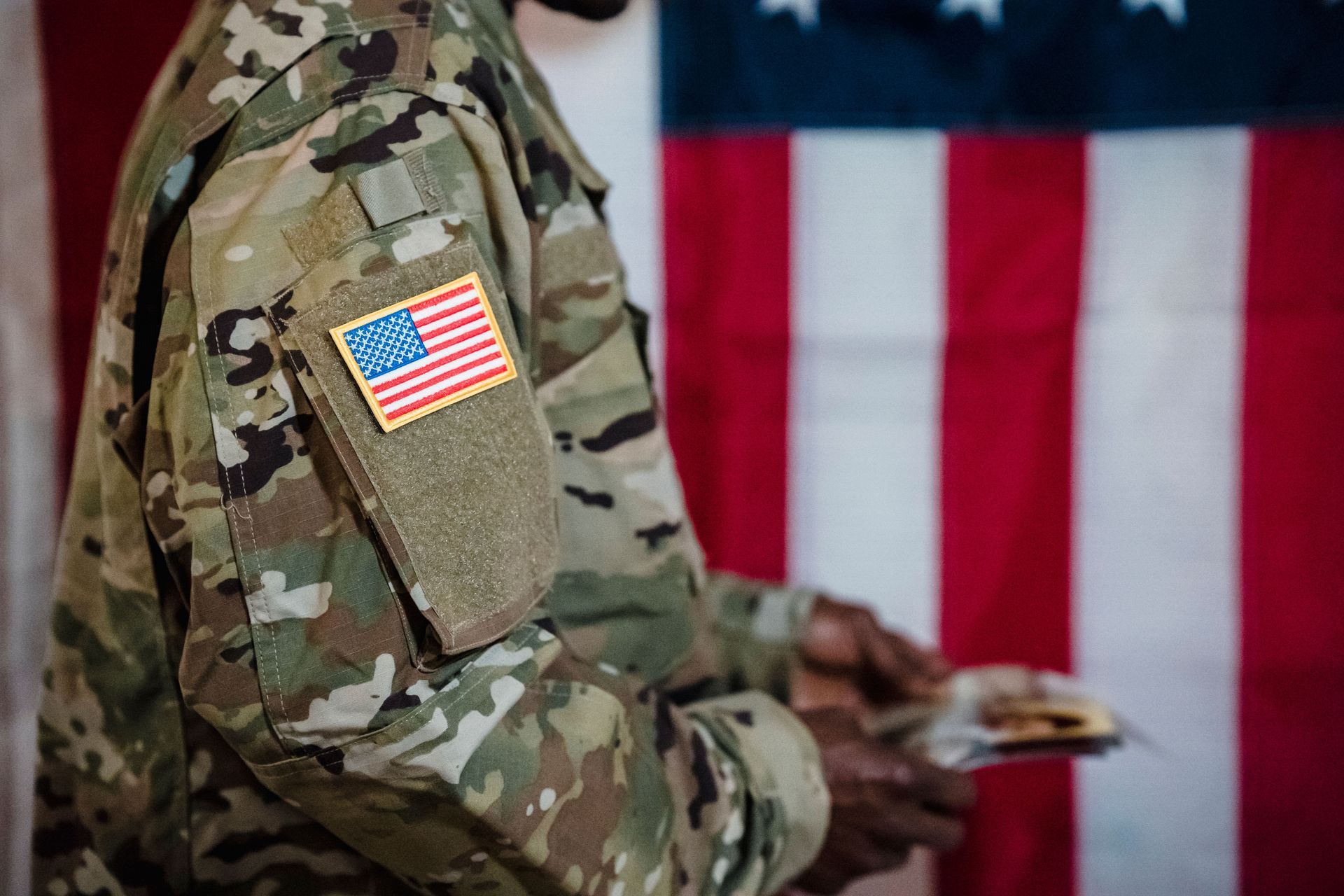
A permanent change of station arrives with a report date and not much else figured out yet. Temporary duty orders show up mid-quarter and rearrange the next several weeks with little warning. Deployment schedules reshape household routines, childcare plans, and daily life all at once. Every one of these transitions raises the same practical question: what happens to everything a family owns when the address, the housing size, or the timeline keeps changing?
Self-storage for military has become one of the most practical answers to that question for service members and military families. A unit nearby gives a household room to breathe during a move, a deployment, or a stretch of temporary housing that never quite fits everything a family brought with them. It will not solve every part of a military transition, but it removes one variable from a process that already has too many.
Short Orders Create Long-Term Clutter
Even a few months of temporary duty can fill up a household fast. Service members traveling for training or a short assignment often keep a home base elsewhere, which means they're managing two living situations instead of one. Spouses and dependents staying behind may need to reorganize a house built around two incomes and two schedules down to one. And gear tied to the assignment itself, from uniforms to travel equipment to training supplies, needs somewhere to go besides the middle of the living room.
A storage unit gives families a place to put belongings that matter but aren't needed for the next few weeks or months. Instead of cramming a spare bedroom or overloading a garage, a unit keeps that extra volume contained and out of the way. Short orders rarely stay predictable. Report dates shift. Training gets extended. Return dates move. A family that already has a place for its excess belongings can absorb those changes without rearranging the house every time the schedule updates.
PCS Moves Rarely Go in a Straight Line
A PCS involves coordinating movers, arranging temporary lodging, transferring school records, and searching for housing, often all inside the same few weeks, even when orders arrive well ahead of time. There's often a gap between arriving at a new duty station and actually settling into a permanent home. Some families spend that gap in a hotel. Others move into transitional housing before relocating again once a larger place opens up.
A storage unit is one of the more useful tools for that in-between period. Rather than unpacking a full household into a temporary space, many families keep nonessential items in a unit until permanent housing is confirmed. That keeps the temporary living space usable and cuts down on how many times boxes get packed, unpacked, and packed again. It also takes pressure off the housing search itself. A family that isn't racing to unload a moving truck can afford to wait for a home that actually fits.
Every Duty Station Changes What Gear a Family Needs
Military families move between climates and communities more often than most, and that has a way of loading up a garage. A posting near the coast brings fishing and watersports gear into the mix. A colder assignment adds winter coats, boots, and cold-weather gear that barely got used at the last duty station. Kids join new sports teams, pick up new hobbies, and outgrow equipment from wherever the family lived last, and none of it disappears when a PCS happens. It just gets packed up and brought along, usually without a clear place to put it once the moving truck is unloaded.
A storage unit gives that accumulated gear somewhere to live without it taking over closets and garages that were never built to hold it all. Families can keep off-season equipment stored until it's actually needed, which frees up everyday living space in the meantime. That rotation matters even more in base housing or a rental property, where storage space is often limited and shared with whoever lived there before. Pack your unit well, so you can access what you need, when you need it.
Temporary Housing Rarely Has Enough Room
Temporary housing almost always feels smaller than wherever a family lived before, even when the accommodations themselves are comfortable. Closets are smaller. Storage areas are fewer. Larger furniture a family already owns often doesn't fit anywhere. It usually starts as something a household figures it can manage for a few months, and then the boxes start stacking up in hallways, extra furniture gets wedged into corners, and a temporary living situation starts to feel cramped well before the lease is up.
Storage relieves that pressure directly. Furniture that doesn't fit the temporary space, seasonal items, and anything not needed day to day can move into a unit instead of a hallway. Service members who arrive at a new post ahead of their families often use storage the same way, keeping household items nearby without needing to move everything twice once the rest of the family arrives. The result is a temporary living situation that actually feels livable instead of a holding pattern.
Deployments Bring Their Own Storage Challenges
A deployment often forces household decisions onto a tighter timeline than a typical move. A service member preparing to deploy may want to downsize a living situation temporarily to cut costs while they're away. A spouse managing a household solo may need to reorganize space that was previously split between two people.
Storage supports that transition without forcing a family to give up belongings they'll want back. Furniture, personal items, and anything not needed during the deployment can stay stored safely until the service member returns and life settles back into its normal rhythm. For single service members especially, storage can make it possible to downsize to a smaller, less expensive living situation for the length of a deployment without selling or discarding things that still matter to them.
Convenience Matters When Schedules Are Unpredictable
A unit that's hard to get to, or that keeps limited hours, adds friction to a process that's already stressful enough. That's why location and accessibility matter as much as price when a military family is choosing where to store their belongings. A spot close to housing and easy to reach outside of duty hours makes it realistic to grab a box before a trip or rotate seasonal gear without losing half a day to the errand.
That convenience matters most around deployments and PCS moves, when a family's free time is already stretched thin. Storage should make a transition easier, not add another logistical hurdle to a schedule that's already full.
Long-Term Assignments Still Come With Changing Space Needs
Households accumulate belongings over time no matter how long they stay in one place, and families who spend several years at a single duty station eventually run into the same space questions as everyone else. Kids grow out of gear and into new hobbies. Storage areas in base housing and rental homes are often limited, and what fits a family of three doesn't always fit a family of five a few years later.
For families with longer stability at one post, storage often shifts from a moving tool into a long-term organizing one. It becomes a place for inherited furniture, seasonal decorations, sports equipment between seasons, or anything a family wants to keep without letting it take over the house. That flexibility stays useful even years into an assignment, since another move is always possible in military life, whether it's on the horizon or still years away.
Military Life Runs Smoother With Flexibility
No two military transitions look the same. Some involve a short assignment measured in weeks. Others span years at a single post before the next set of orders arrives. What stays consistent is the need for flexibility, since housing, timelines, and family needs rarely move in sync with each other.
Storage from All-Purpose Storage supports that flexibility by giving military families a place to put belongings during a PCS, a deployment, a stretch of temporary housing, or simply a period when a household has outgrown its available space. It won't make a move or a deployment easy, but it removes one source of clutter and stress from a process that already asks a lot of the families living through it.